The Official Global Platform of the Igbomina People of Kwara State, Nigeria
Igbomina is a proud Yoruba sub-ethnic nation located in the northern axis of Yorubaland. Rooted in deep ancestral heritage and guided by resilient leadership, our people span the Local Government Areas of Ifelodun, Irepodun, Isin and part of Oke-Ero in Kwara State and Ila and Ifedaye in Osun State.
The Igbomina people are believed to have migrated from the ancient city of Ile-Ife. The name Igbomina is derived from “Ogbo mi Mona,” referring to a spiritual cutlass (“Ada Ogbo”) that served as a pathfinder for their ancestors, eventually shortened to Igbomina.
This platform exists to:
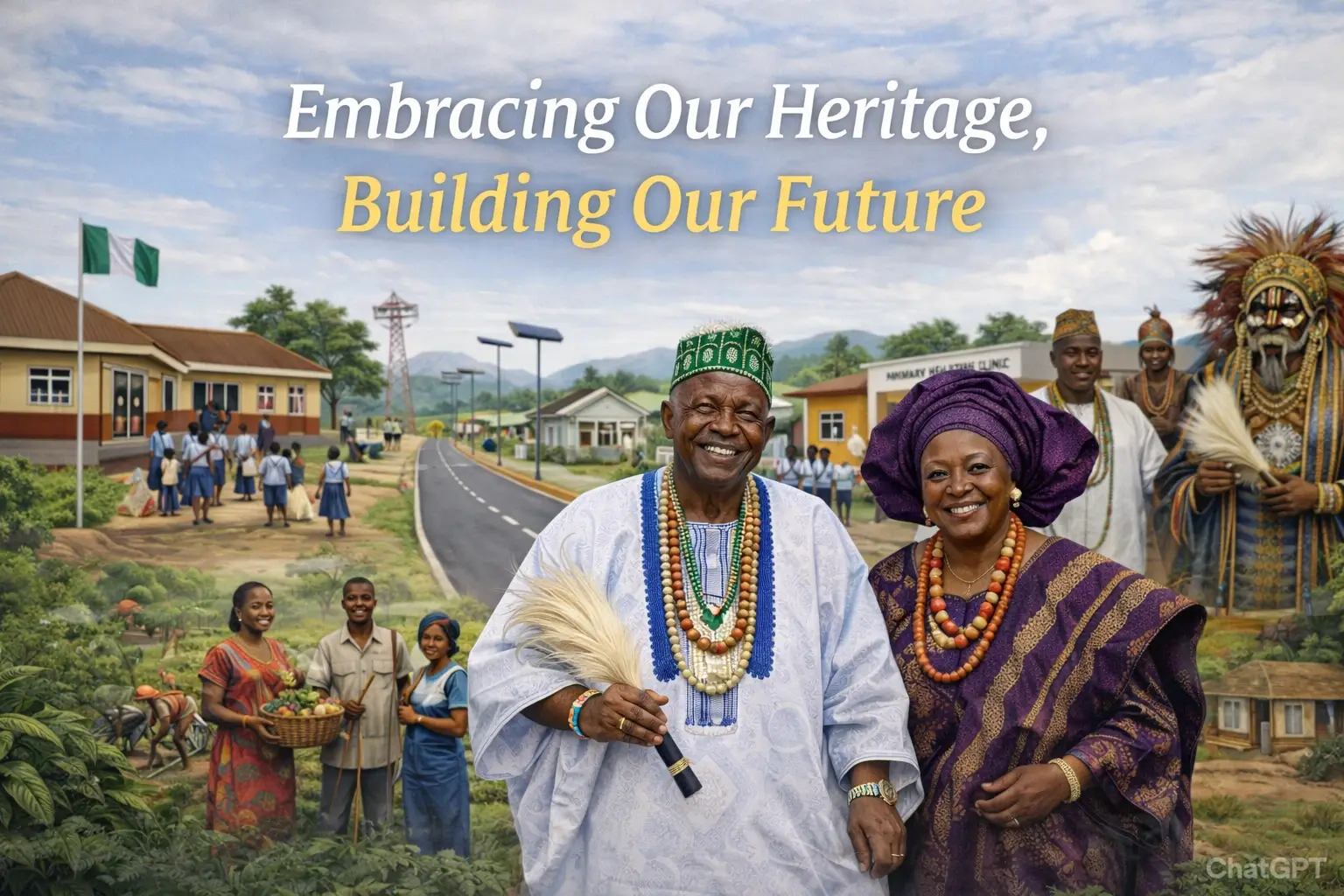
From our ancient hills and sacred groves to modern enterprises and global diaspora networks, Igbomina stands united in heritage and progress.
“Omo Ibile” means indigenous sons and daughters. We are custodians of land, lineage, and legacy. Presently, Igbomina land consists of three Local Government areas (LGAs) of Kwara State: Irepodun, Ifelodun and Isin LGAs as well as two Local Government areas of Osun State: Ila and Ifedayo LGAs.
Igbominaland lies between longitude 40E and 60E and Latitude 80N and 90N
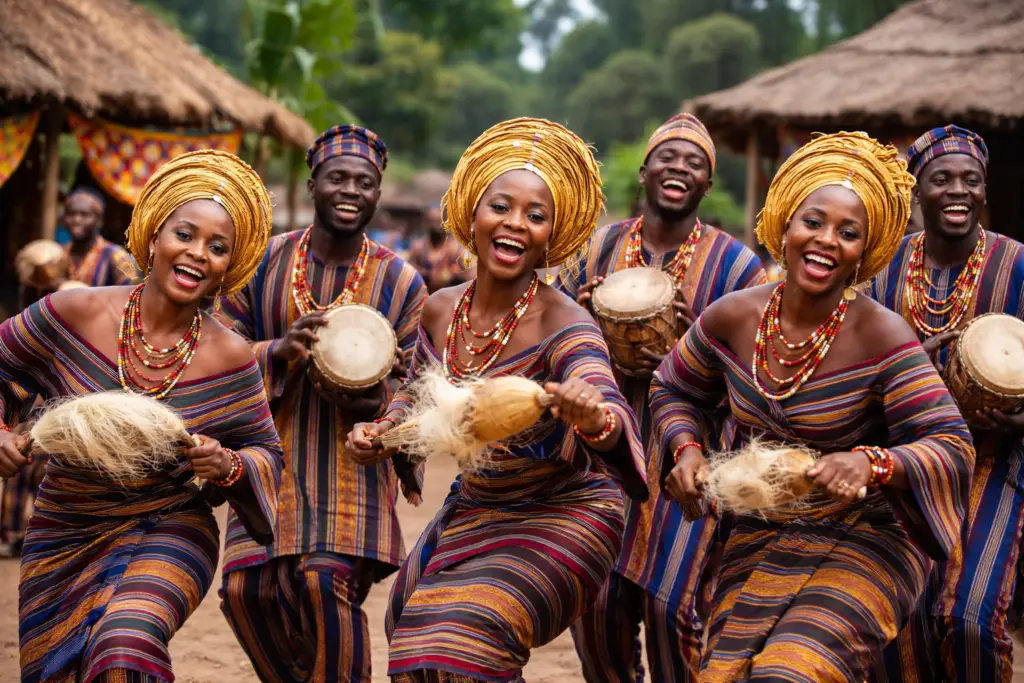
Igbomina people are known for:
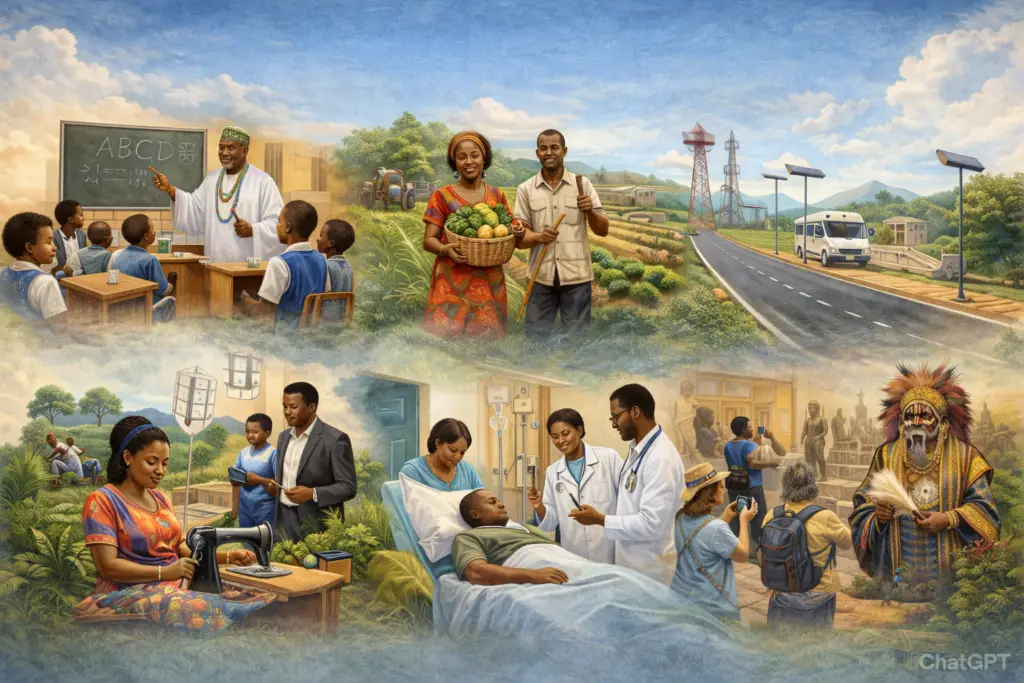
Across generations, Igbomina sons and daughters have excelled in academia, governance, commerce, religious leadership, and public service.
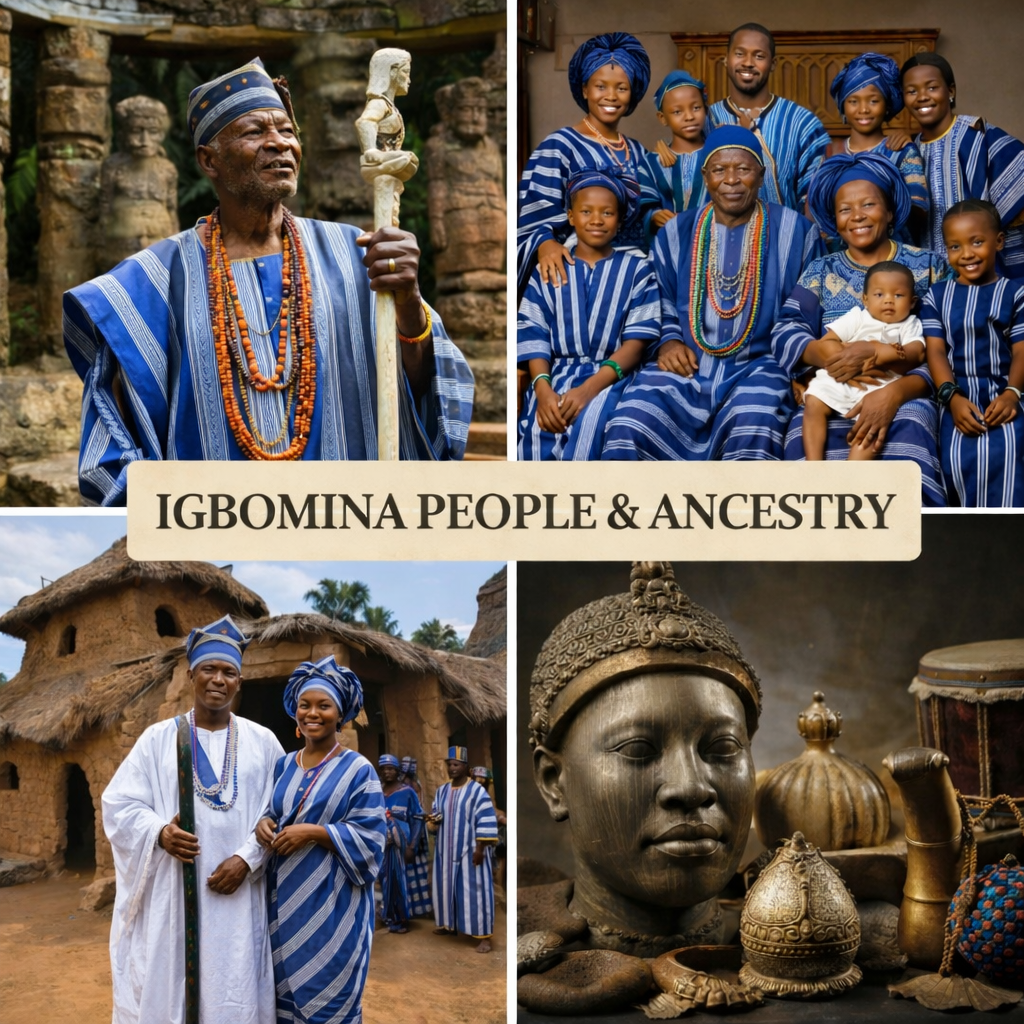
The Igbomina are a major Yoruba subgroup. Oral traditions trace origins to:
It is believed that Igbomina are direct descendants of Oduduwa being the second male child of Oduduwa by name orangun Fagbamila Ajagun-Nla. He was said to have migrated from ile-ife and founded his own kingdom. He conquered and later settled in a vast stretch land which today stretches across two state boundaries ; osun and kwara state respectively.
Our dialect : Igbomina Yoruba reflects a unique tonal and lexical identity while maintaining core Yoruba linguistic structure.
Historically, Igbomina communities served as strategic buffer settlements between Oyo, Nupe, Ekiti, and Ilorin territories.
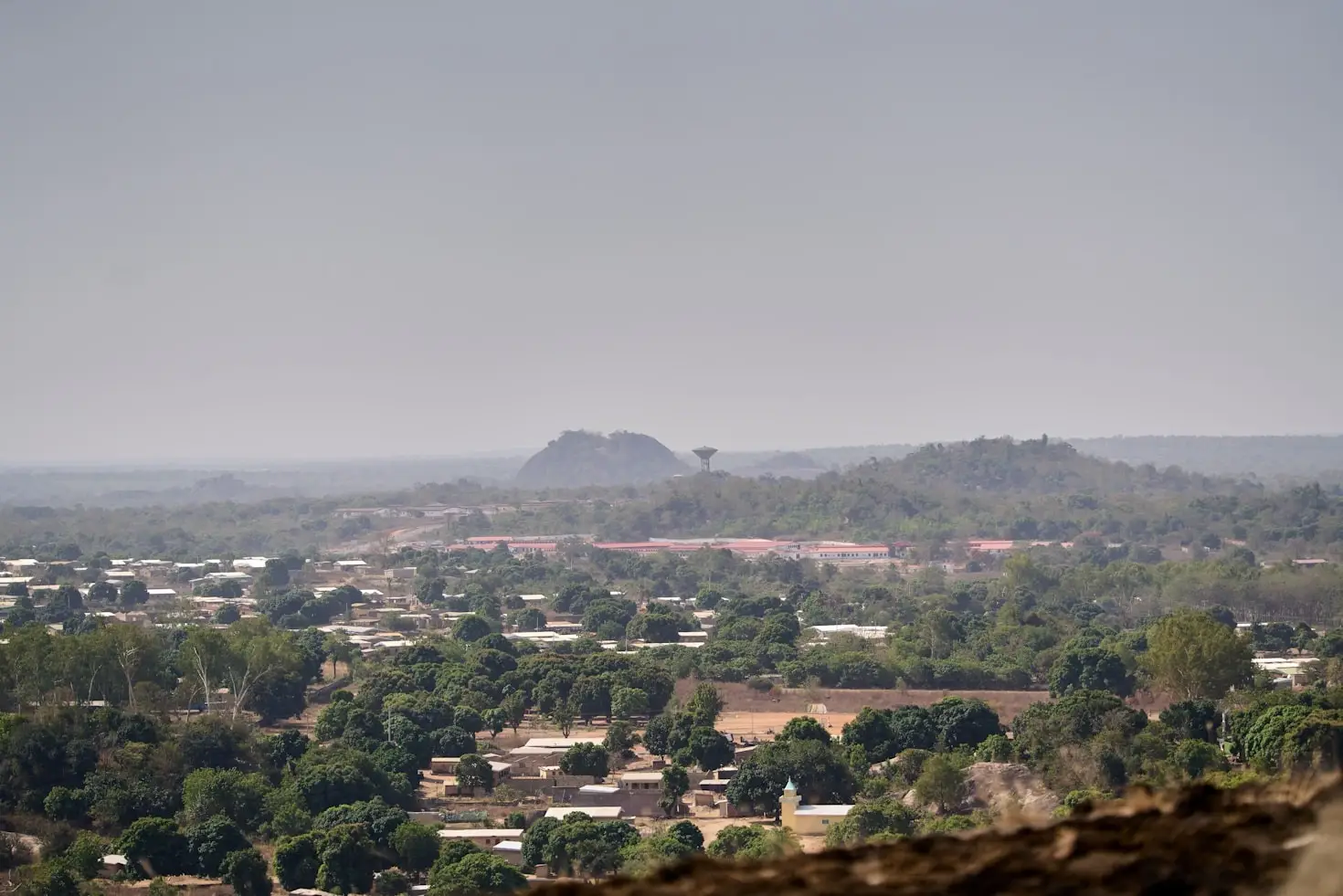
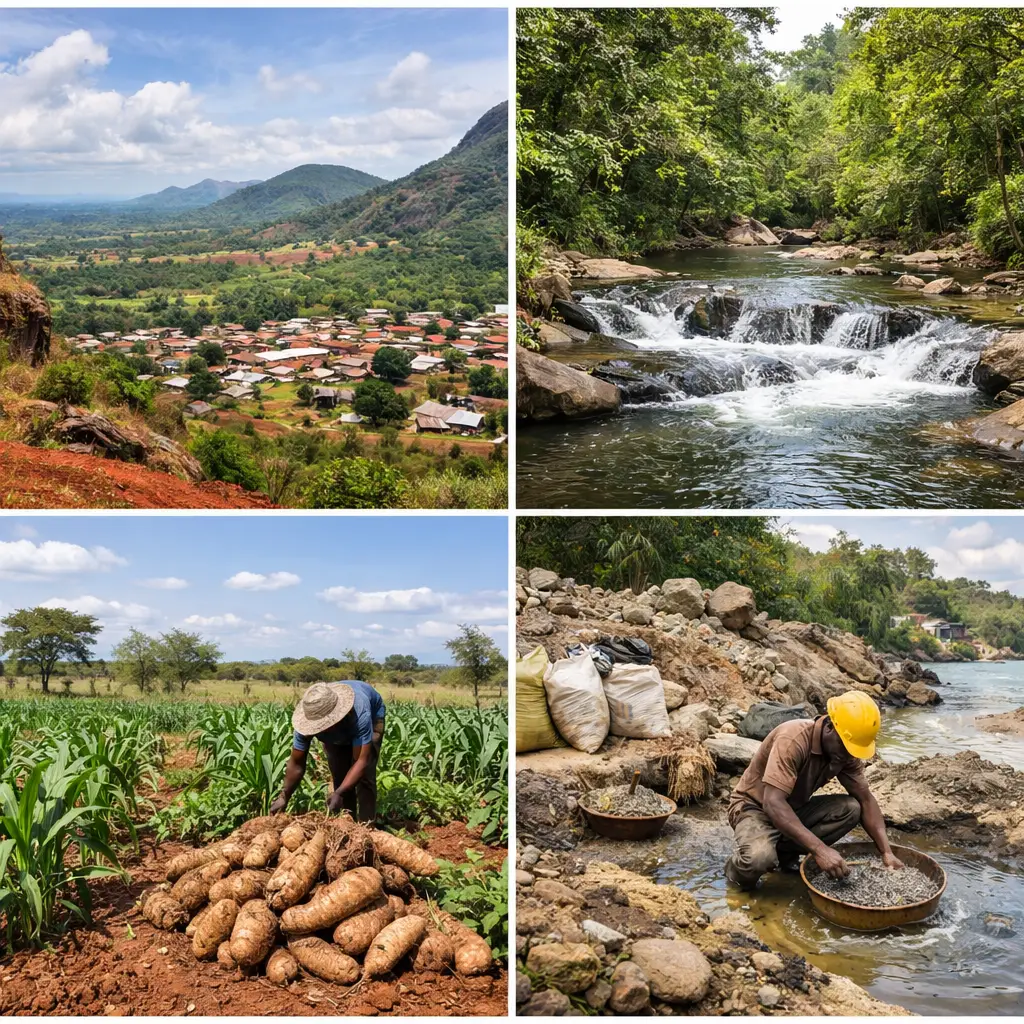
Igbomina land lies within the Guinea savannah belt of Kwara State. They occupy a region bordering Ilorin to the northwest, and the Ijesa/Ekiti regions to the south. Major towns include Omu-Aran, Ila-Orangun (the historical capital), Oke-Ila, Oro, Igbaja, and Ajase-Ipo
Key features include:
Major agricultural produce:
The region also possesses untapped solid mineral potential and agricultural value chains suitable for agro-processing investment.
Pre-colonial Igbomina settlements were structured kingdoms governed by:
The communities fortified themselves during 17th–19th century conflicts involving Oyo imperial movements and Nupe incursions.
Igbomina leadership integrates:
Our leadership model promotes unity, accountability, and inclusive development.
The National Executive Council (NEC) of Omo Ibile Igbomina is the apex socio-cultural organisation representing the Igbomina people. It is constituted through a transparent and democratic process designed to ensure broad regional and sectoral representation.
Drawing from recent electoral cycles (including the 2025 elections), the NEC reflects the diversity, unity, and collective aspirations of Igbomina communities both at home and in the diaspora.
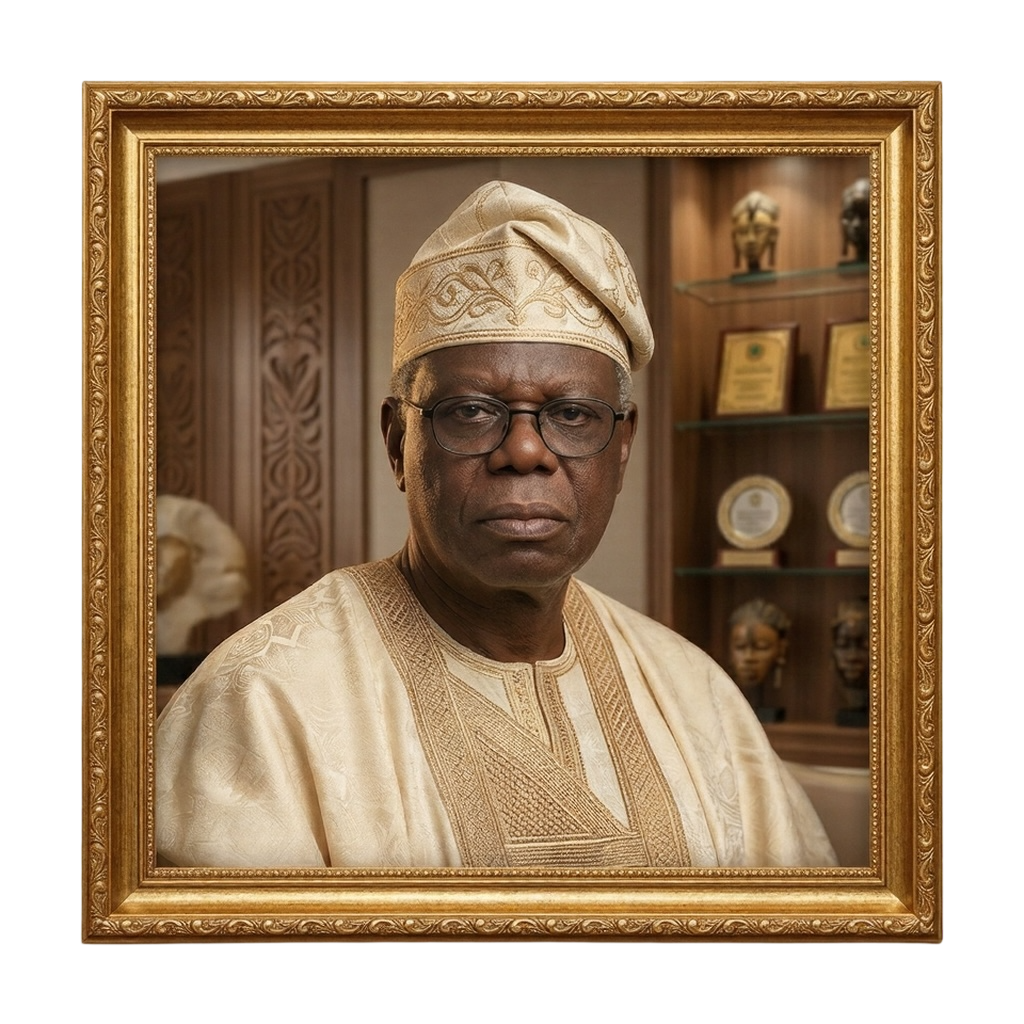
NEC Presisdent