
We Are A Community Rich In Yoruba Culture & Heritage.
Igbomina history traces back to ancient Yoruba ancestry, particularly linked to Ile-Ife, regarded as the cradle of Yoruba civilization, with oral traditions connecting the people to descendants of Oduduwa and some accounts suggesting migration from Oyo-Ile during periods of war and expansion, while their territory later became strategically important because of its location between northern and southern trade routes.
Our Communities
Our Communities comprises three major LGAs.

Ifelodun
Ifelodun Local Government Area is one of the sixteen LGAs in Kwara State, located in the Kwara South Senatorial District, with its headquarters in Share, a historic cultural and economic hub. The LGA lies in the southern part of the state and shares boundaries with Offa, Oyun, Irepodun, and Isin. Its fertile land and savannah vegetation make agriculture the main occupation, with crops such as cassava, yam, maize, sorghum, millet, vegetables, and cashew widely produced.
The population is predominantly Igbomina Yoruba, known for strong communal values, rich traditions, and respect for traditional rulers, including the Olupako of Share, Olomu of Omupo, and Elese of Igbaja. Major towns include Share, Igbaja, Oke-Ode, Idofian, Omupo, Babanla, and Ora.
Educational institutions such as the Kwara State School of Nursing, ECWA Theological Seminary, College of Education, and Al-Hikmah University contribute to development. Festivals like Egungun, Oro rites, New Yam celebrations, and Ojude-Oba reflect vibrant cultural heritage, while ongoing infrastructure growth continues to strengthen the area’s socio-economic importance.
Irepodun
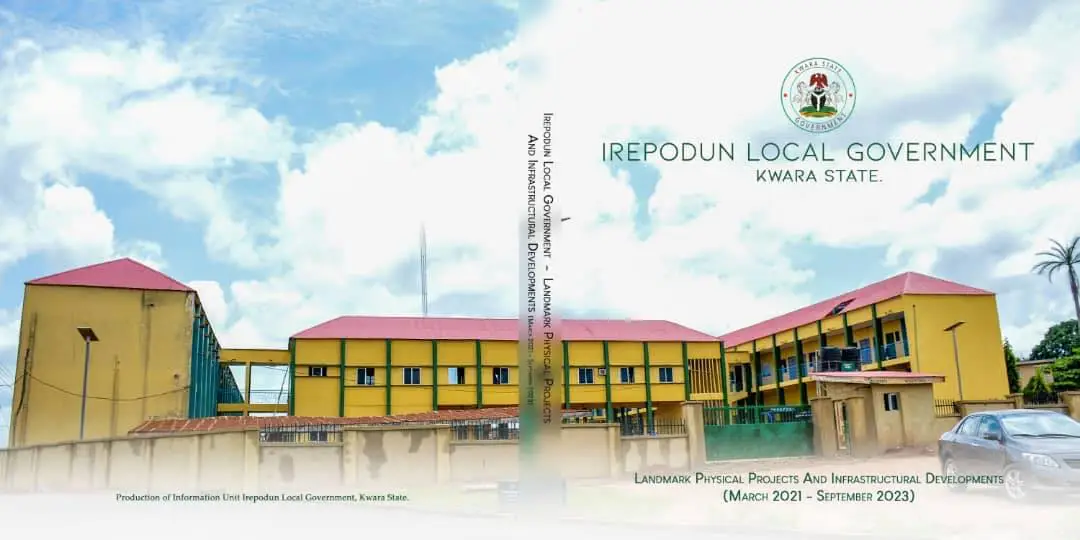
Irepodun Local Government Area is a prominent LGA in Kwara State’s South Senatorial District, with its headquarters in Omu-Aran, a major historical, commercial, and educational centre in Igbomina land. Located in southern Kwara, it borders Ifelodun, Isin, Ekiti State, and parts of Osun State. The area features savannah vegetation, rocky outcrops, and fertile plains that support agriculture, the mainstay of the local economy. Key crops include yam, cassava, maize, guinea corn, vegetables, cashew, and palm products, while trading, transportation, and civil service also provide livelihoods.
The population is predominantly Igbomina Yoruba, known for strong communal values and respect for traditional authority. Prominent rulers include the Olomu of Omu-Aran and the Oloro of Oro Kingdom. Major towns include Omu-Aran, Oro, Ajase-Ipo, Arandun, Rore, Esie, Oko, and Omido.
Educational institutions such as Landmark University and Thomas Adewunmi University have boosted development. The Esie Museum, housing West Africa’s largest soapstone collection, highlights the area’s historical importance. Cultural festivals like Egungun, Oro rites, and New Yam celebrations reinforce identity, while ongoing infrastructure improvements continue to drive socio-economic growth within Igbomina land.
Isin
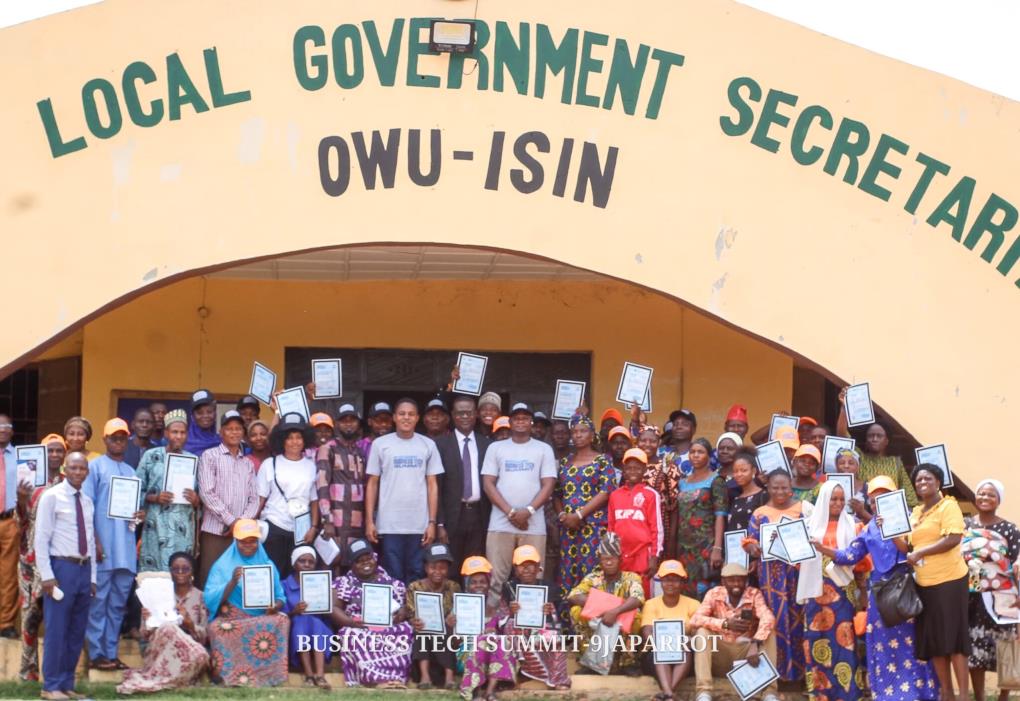
Isin Local Government Area is one of the core Igbomina homelands in Kwara State, with its administrative headquarters in Owu-Isin, a historic town central to the area’s cultural and political life. Located in southeastern Kwara, Isin shares boundaries with Irepodun, Ifelodun, Ekiti LGA, and parts of Kogi State. Its landscape of savannah vegetation, rolling plains, and rocky formations supports agriculture, the main occupation of the people.
The population is predominantly Igbomina Yoruba, known for strong communal values, respect for elders, and vibrant traditions. The Igbomina dialect is widely spoken alongside Yoruba and English. Traditional rulers, including the Olusin of Isanlu-Isin, Olowu of Owu-Isin, and other monarchs, play vital roles in governance and cultural preservation. Major towns include Isanlu-Isin, Owu-Isin, Oke-Onigbin, Ajegunle-Isin, Ijara-Isin, Isanlu-Oja, and Iwo.
Agriculture drives the local economy, with crops such as yam, cassava, maize, guinea corn, beans, vegetables, cashew, and palm produce widely cultivated. Isin is also known for its strong emphasis on education and has produced many professionals across fields. Cultural festivals—such as Egungun, Oro rites, and New Yam celebrations—remain vibrant, while community initiatives and government support continue to promote development and preserve the area’s important role within Igbomina heritage.
Communities Directory
A comprehensive listing of towns and villages including:
- Omu-Aran
- Ajase-Ipo
- Igbaja
- Oro
- Omupo
- Oke-Onigbin
- Isanlu-Isin
- Ila-Orangun (historical ties)
- And other affiliated settlements
Community Development Associations
CDAs in igbominaland serve as grassroots engines for:
- Infrastructure advocacy
- Youth empowerment
- Education support
- Security collaboration
- Cultural preservation
Culture & Heritage of Igbomina
Core Igbomina values include: The Igbomina are famous for the Elewe masquerade (Egungun Elewe), which represents ancestors during special festivals.
- Respect for elders
- Communal solidarity
- Industry and self-reliance
- Honor and integrity
- Spiritual reverence
Festivals & Events
- Egungun festivals
- Oro rites
- New Yam festivals
- Annual town celebrations
These festivals reinforce ancestry, identity, and unity.
Language & Folklore
The Igbomina dialect preserves:
- Unique proverbs
- Oral poetry
- Praise chants
- Historical narratives
Arts & Masquerades
- Egungun masquerades
- Traditional drumming
- Wood carving
- Bead regalia
· Indigenous textiles
Attire & Cuisine
Traditional attire:
- Aso-oke
- Agbada
- Iro and Buba
- Beaded crowns and regalia
Cuisine
- Pounded yam
- Amala
- Egusi soup
- Ewedu
· Local yam dishes
Historical Sites
Ancient hill settlements
- Sacred groves
- Royal palaces
- Colonial-era schools and churches