
ARAN-ORIN
- Aran-Orin
Aran-Orin is a town in Irepodun Local Government area in Kwara State.
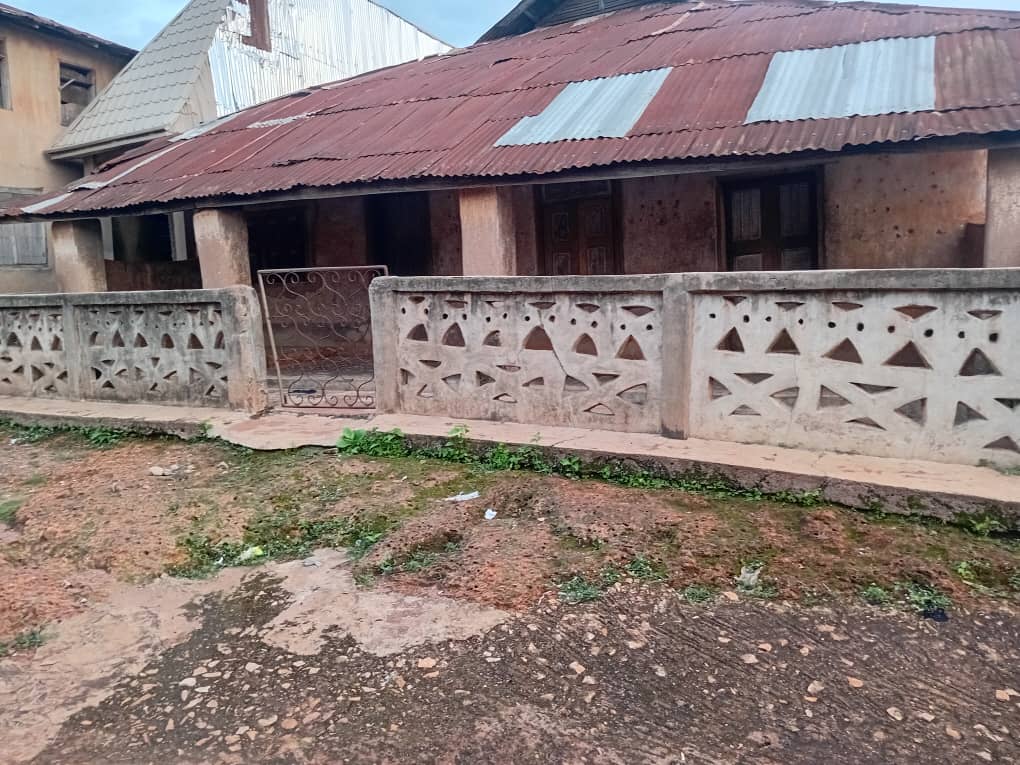
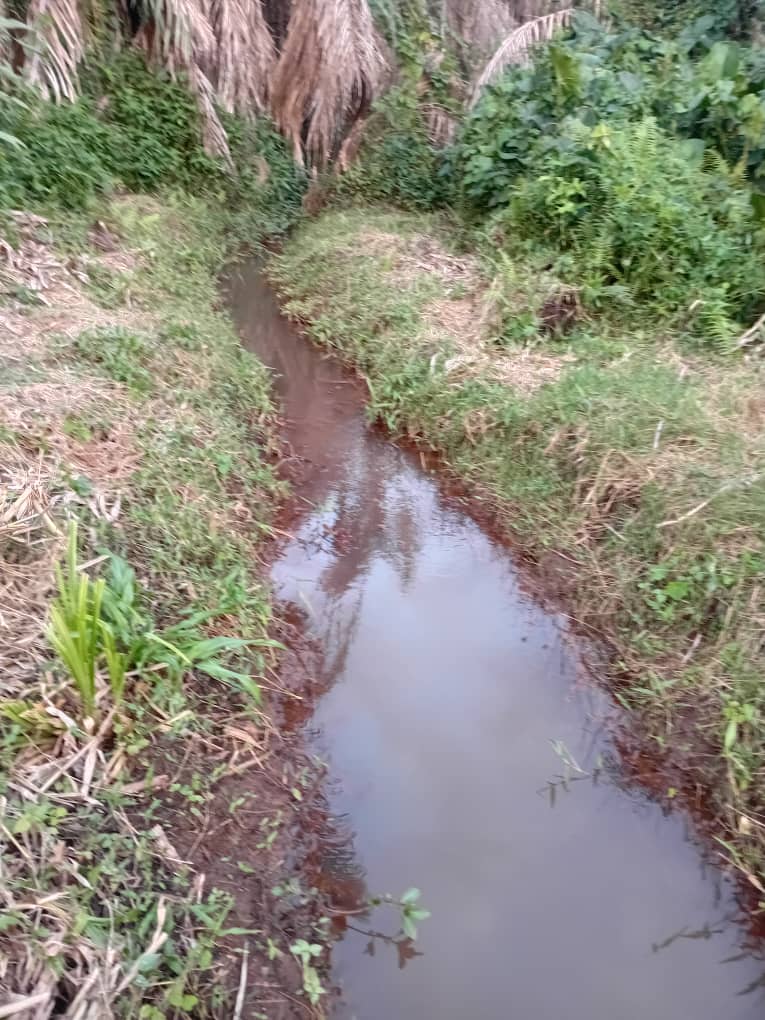
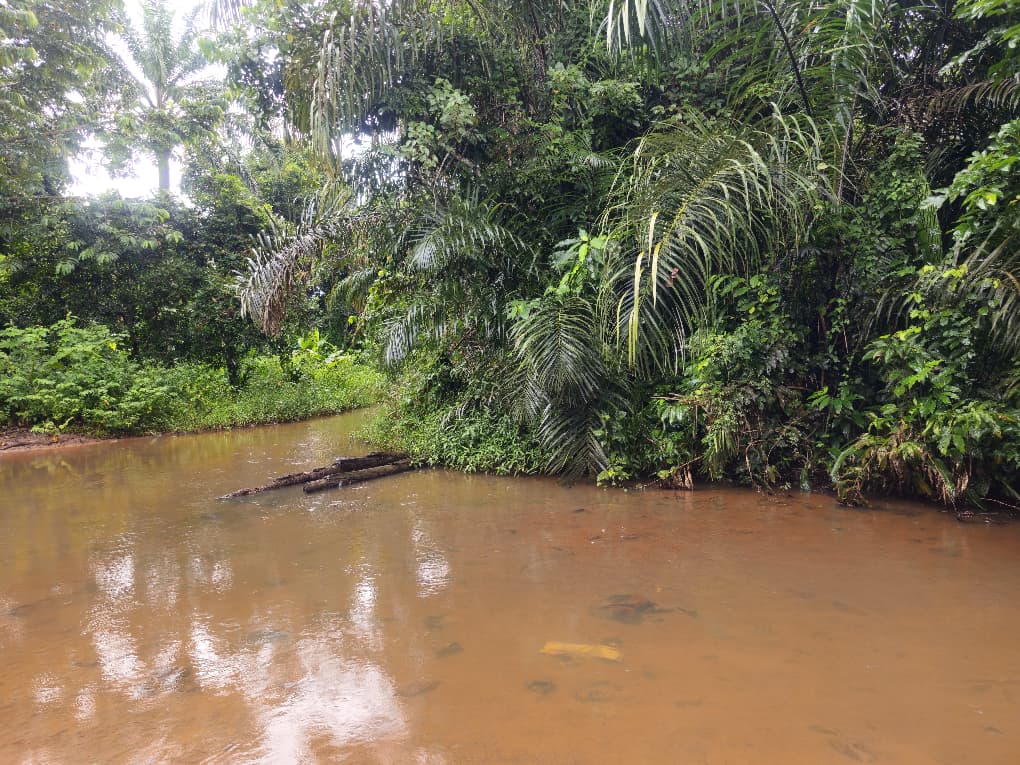
.
- Economy
Aran-Orin before British rule grew prosperous, and its traditional head, the Alaran, ranked high among leading IgbominaObas in the pre-colonial era. Some notable Igbomina kings, according to Mockler-Ferryman in his book–Up the Niger (1898) include Alapaof Apa, Olupo of AjaseIpo, Eleseof Igbaja, Alaran of Aran-Orin, and Olusin of Isin all in the Southern district of former Ilorin Province. Since the early years of colonial rule, Alaran of Aran-Orin had always occupied the next seat to Olomu at the Native Court in Omu and at all other public engagements. Other authorities that allude to the unique status of Alaran of Aran-Orin along with those of the Moje category include, J. Huskins ‘Notes on Settlements in Igbomina’ which form part of the key information on Touring Reports for the period 1912 – 1913 by Mr. Dwyer, Asst. Resident, Ilorin Province as contained in National Archives Kaduna, Ilorin provincial files, i.e NAK, Ilor Prof. (1912), K. V. Elphinstone’s Gazetteer of Ilorin Province (1920), Samuel Johnson’s History of the Yorubas(1921) and J. A. Atanda’sNew Oyo Empire (1973, pg.8). These Obas were highly respected and well revered, which made each of them to bear the cognomen ‘Moje’. They all occupied the status of pre-eminence in Igbomina politics and society in ancient times.
After the tide of Ibadan raids had receded by the 1880s, the wide landmass at the abandoned site on the plains of Ibale hills began to serve as farmlands for key farmers and other Aran-Orin high chiefs. Apart from food crops, major cash crops produced in the area included kolanuts, oil-palm and later, cocoa. Apart from Oke’bale farm (now Olowonijere), Faje near the boundary with Ila was established in 1913 while Olomi-oja was established in 1921. These farm settlements, along with Kajola still flourish till present time as part of Aran-Orin district. It is instructive that during a recent discovery of crude oil at Faje, the only town that has always been referred to as the owner of the crude oil site is Aran-Orin. The demography of Aran-Orin town with its districts today shows a population estimate of over 200,000 people by the 2006 census. Alaranof Aran-Orin appoints Baale for each of these districts, and he oversees their administration. All these Baales are given the necessary recognition by relevant political authorities in Kwara State. All taxable adults of the Aran-Orin community, male and female, regularly and promptly pay their legitimate tax to the State Government – a civic responsibility for which Aran–Orin people have been known since pre-colonial and colonial periods. For instance, tax returns for Aran-Orin settlement, (Omu-Isanlu District) in Ilorin Province for 1918 which stood at £819 with a population of about 3000 inhabitants as at that period, is quite relevant to, and supportive of this assertion.
Aran-Orin people operate strong commercial linkages with their neighbours through the market system. Most important and flourishing of the inter-communal commercial network is the five-day market intervals typical of Yoruba markets (Clarke, 1972). Traders move about from one market day to another among the neighbouring towns and villages like OmuAran, Otun, Ilofa, Osi, EkanMeje, Rore, Ora, Oke’la, Illa. Items sold include farm products like yam, maize, beans, cassava, palm oil, kolanut, yam flour, vegetables, garri, etc and manufactured goods like textiles, wares, cooking utensils, jewelries etc. Today, many Aran–Orin citizens are engaged in small/medium scale industries, agriculture, trade/commerce and white-collar jobs. Such industries only complement indigenous industries at Aran Orin, i.e. pottery, weaving, dyeing and blacksmithing to which both B. R. Hallam (1978:26–35) and A.O.Y Raji (1997) have alluded in their studies on iron smelting in Igbomina.
- Religious and Cultural Setting
For every mundane activity of Aran-Orin people, religion is central. This explains why E. B. Idowu (1973) states that for the Yoruba, “the keystone of their life is their religion”. Thus, from ancient times, Aran-Orin people had shown devotion to worship of divinities like Egungun, Sango, Oro, Ogun, Ifa, etc. Although, influence of Islam and Christianity had reduced the rate of the people’s devotion to traditional worship, the practice of Egungun, Oro, Ifa, Sango, etc still reflects in the people’s religious observances. Islam reached Aran–Orin by the 1870s, and its adherents, at present, represent a sizable proportion of the town’s population. The Roman Catholic Mission (R.C.M) came in 1921 and the Sudan Interior Mission-S.I.M (later ECWA) was by 1948 embraced in Aran – Orin. Since the 1970s, Aran-Orin has witnessed the emergence of several Pentecostal churches.
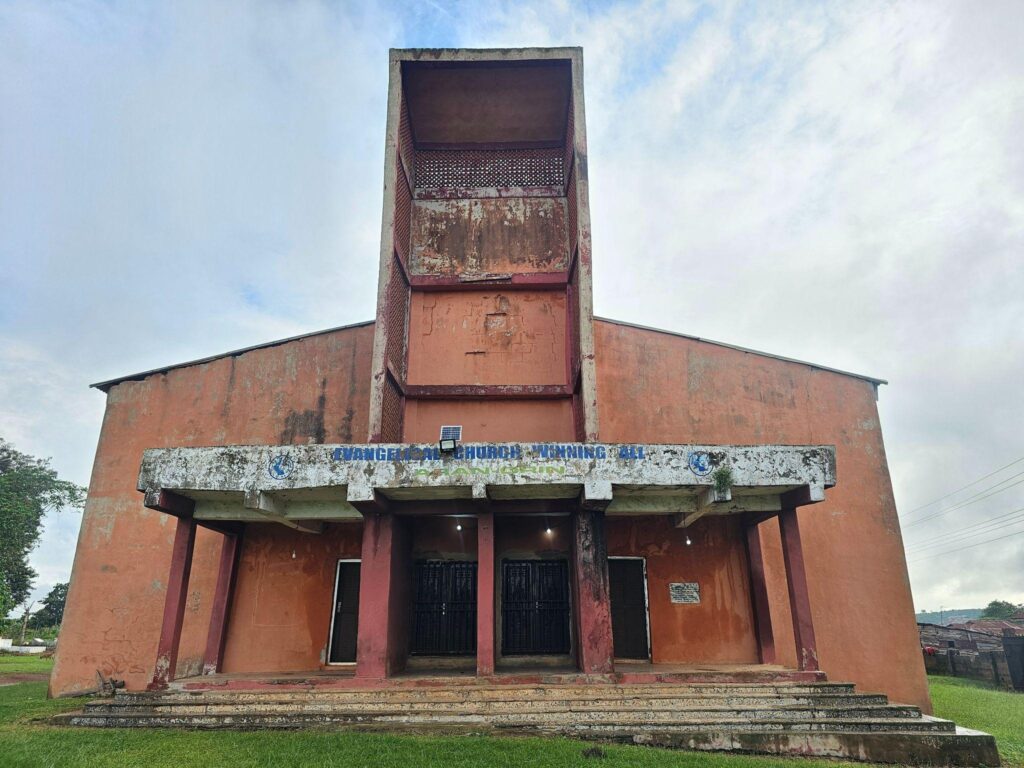
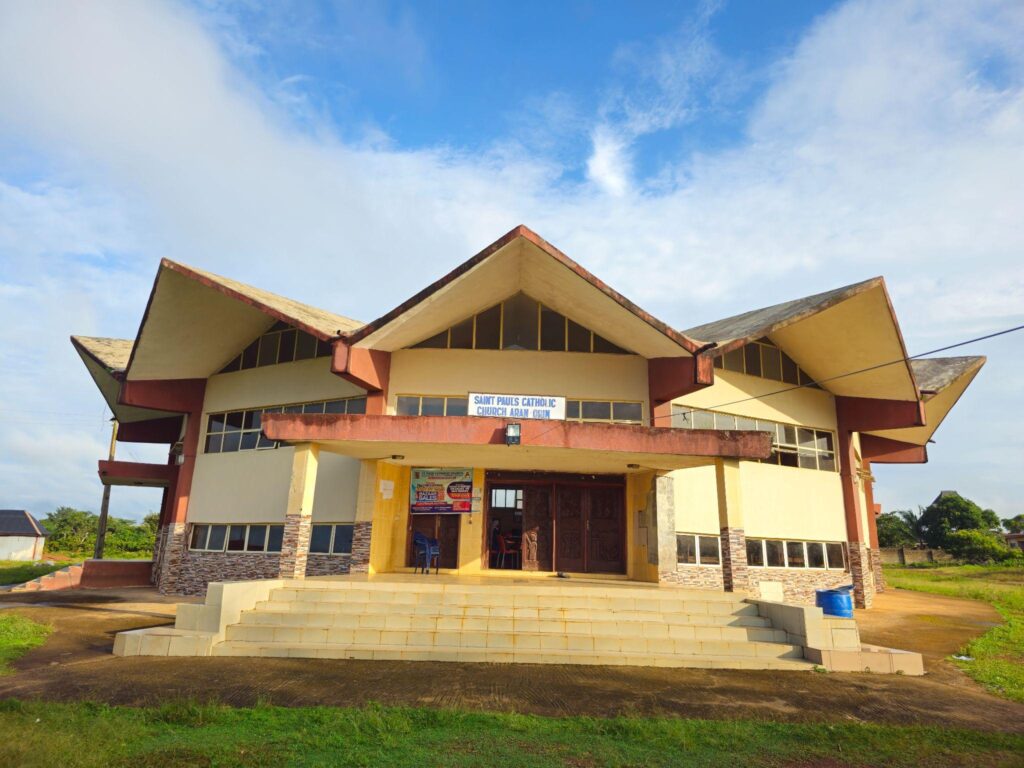
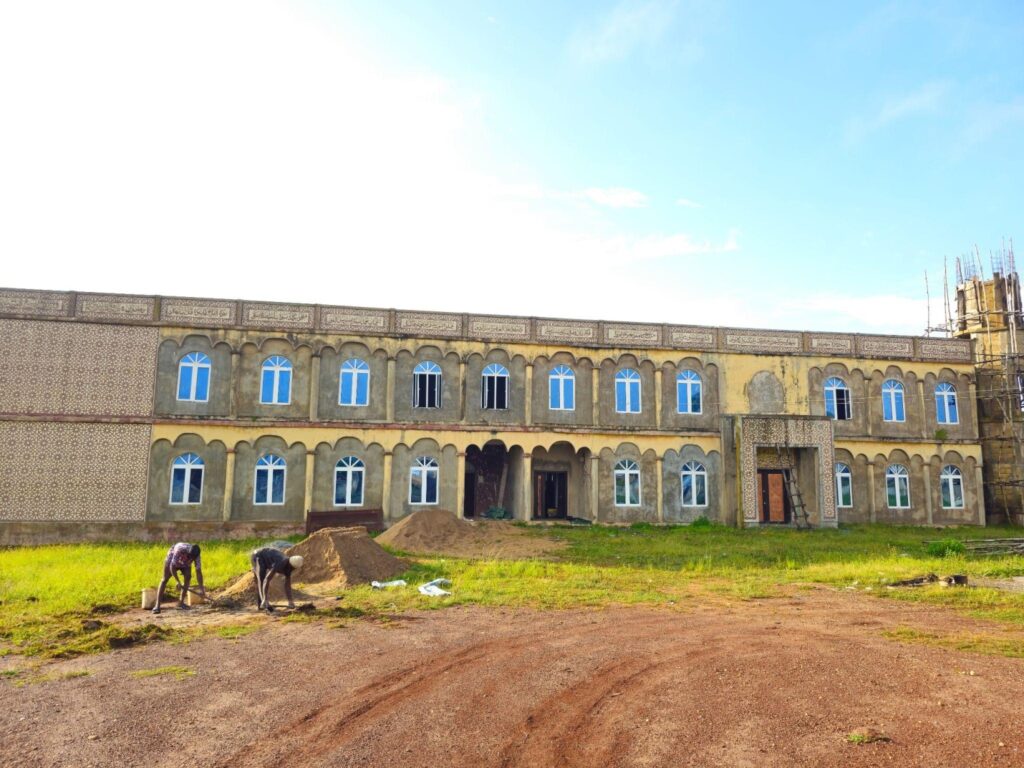
At Aran Orin, religious harmony reigns as members of the same family belong to diverse religious beliefs without rancor. Both Christians and Muslims work together for the good of the society either as members of Aran-Orin Students’ Union for the youths, or Aran-Orin Progressive Union (APU) for adults. Evidently, through such harmonious relationships and peaceful co-existence, considerable achievements have been recorded in terms of execution of several community – based projects in the town.
- Politics and Administration
The Alaran in the pre-colonial period symbolized the utmost political authority in Aran-Orin. He exercised authority over land and all the social, political, economic and cultural activities of the town and its people. At present, traditional rulership by a king and Council of Chiefs is still prevalent in Aran Orin, and it is well recognized by the government at state and local levels. Thus, most government policies are carried out through the Oba and his Chiefs, called Ilu. The traditional council also includes women, referred to as Obirin ‘lu that plays an advisory role for good governance and peaceful co-existence. Many Aran Orin citizens have served and still serve in various positions in Local, State and Federal civil service, public institutions as well as the private sector. Since the establishment of Aran-Orin (originally as Aran) in c.1700, the settlement had been ruled by charismatic Alarans, and the notable ones among them are:
AlaranOlogbojo (c.1710-1745)
AlaranOdun (1746-1770)
AlaranSiketiAyandaFoworori (1771-1789)
AlaranLadejobi (1790-1805)
AlaranLago’odo (1808-1829)
AlaranAseebajayeOse (1829-1848)
AlaranEwuolaku I (1848-1860)
AlaranOrii (1861-1876)
AlaranAyeyomoye (1876-1883)
AlaranOluyeyeOmoagidigidi I (1883-1891)
AlaranOjilorukerikeri (1892-1896)
AlaranOnipede (1896-1929)
AlaranBuoye (1932-1935)
AlaranBuraimo (1936-1941)
AlaranObebeAkangbeAbolarin (1946-1978)
Alaran Joseph FakayodeEwuolaku II (1983-2002)
Alaran ‘LatundeJolayemi (2003-2009)
Alaran Joseph OyeyipoBabalolaEwuolaku III (2010-Date).
- Aran – Orin Community Development Initiatives
Most of the developmental imprints that Aran-Orin have already recorded especially since independence were achieved through communal effort. These include the establishment (with Rore community) of a Customary Court in the early 60s, establishment of community primary schools as from the 1940s and secondary schools namely Fatima College, Ekan-Meje/Aran-Orin , 1967, Comprehensive High School, Aran-Orin in 1981, Junior Secondary School at Olomi-Oja in 2009; self-financing of the electrification of Aran–Orin township during mid-70s through which extension to other towns like Rore, Ipetu and Ekanmeje in Kwara State, and Ora in Osun State was enhanced later in the 80s and 90s; as well as establishment and nurturing of community development institutions such asRoman Catholic Mission School in 1930s, S.I.M school in 1940s, and Muslim School of 1950s; United Community Primary School in 1960s; Post Office and Town Hall projects completed during 1960s; new Customary Court building in 2011, NSCDC complex in 2015, and ultra-modern Police Station completed in 2024. Others include provision of medical equipment for Aran-Orin Basic Health Centre from 1970s; Primary School Project at OlomiOja, Aran-Orin in late 1980s; Police Station & Community Bore Hole Projects during the 1990s; establishment of Primary School at Olowonijere, Aran-Orin, Maternity Centre at Olomi-Oja; the new Market Centre, extension of several community service-road network, borehole projects at Olomi-Oja and Olowonijere as well as new Town Hall Projects, etc.
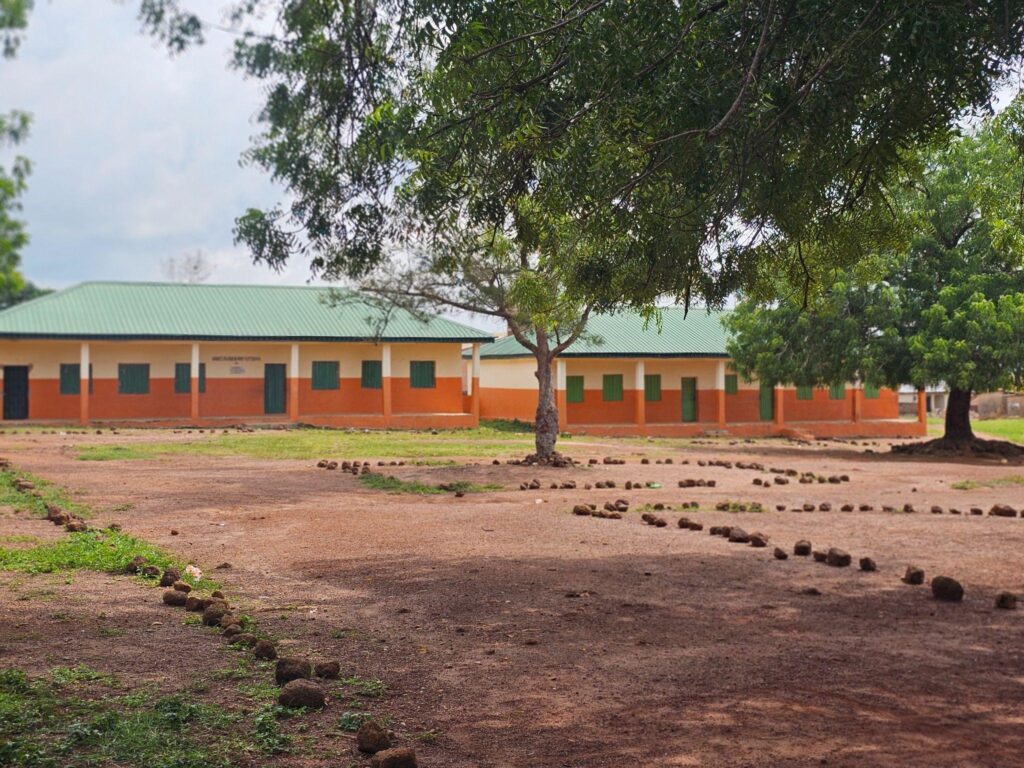
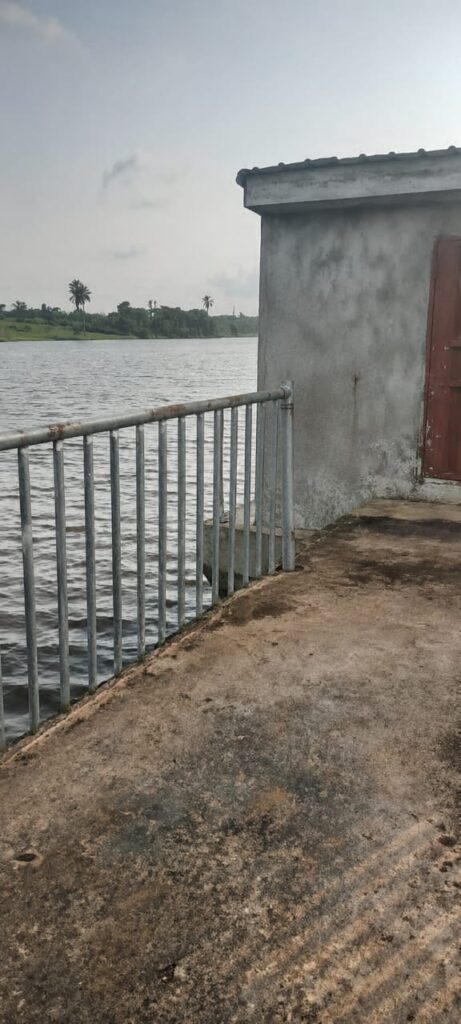
The process of social and economic development in Aran-Orin seemed to have been enhanced through the instrument of the age-grade system. There were age-grades such as the odoo’lu (male youths), ewee’lu (female youths), while after 1900 we had various youth associations among Muslims and Christians. Age-grades’ leaders also became agents that assisted Aran-Orin traditional authority in the collection of taxes during British rule in Omu-Isanlu District, Ilorin Province. Many of these faith-based associations are still functioning and impacting positively on the society up till the present time.
- FESTIVALS
AGAN FESTIVAL
This is one festival that was as old as Aran-Orin itself. Agan is one of the most unique festivals being celebrated in the community. Agan Festival is exclusive to Aran-Orin.
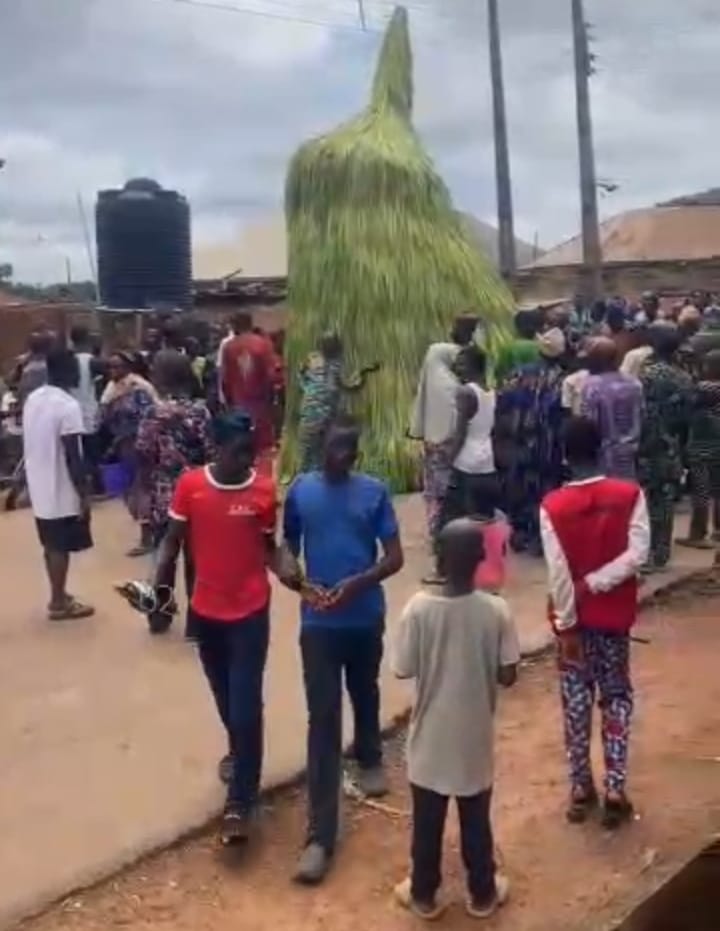
Agan is made in the form of a CONE with a radius of about five (5) feet and a height that is between nineteen (19) and twenty (20) feet. It is made of palm fronds, meticulously woven together which give a beautiful appearance. In the festival year, when the festival draws nearer, the Ifaoracle is consulted in order to know the exact day to celebrate the Agan festival. The festival is celebrated between June and July when maize and yam are getting matured in the farm. The main worshippers are the Alaran of Aran-Orin and the Okesan people, the largest of the three groups to which the community is divided for ease of administration. Since Alaran is well involved in the worship of Agan, one of the popular songs goes thus “E b’obas’Agan e b’obas’Agan, gbogboOkeasn, e b’obas’Agan” meaning ‘Join the King to celebrate Agan, join the King to celebrate Agan, all the Okesan people, join the King to celebrate Agan’. The whole community; men, women, young and old celebrate this festival with the King and Okesan people in a grand style, all were involved in this celebration. OkesanMejeje, meaning the seven compounds with common affinity and ancestral source within the community are: Oba, Iloko, Osopo, Eti-Orin, Oponda, Olofa. Aro.
Today, it has become a festival that not only the people of our community celebrate but it has become a tourist attraction that brings people from different places to witness. In recent times, Social Media has given it more visibility. Moinmoin and akara are the major delicacies used to savour the season. No drumming but acapella-like renditions with hand clapping. It has become a cultural celebration that brings our people together every two years.
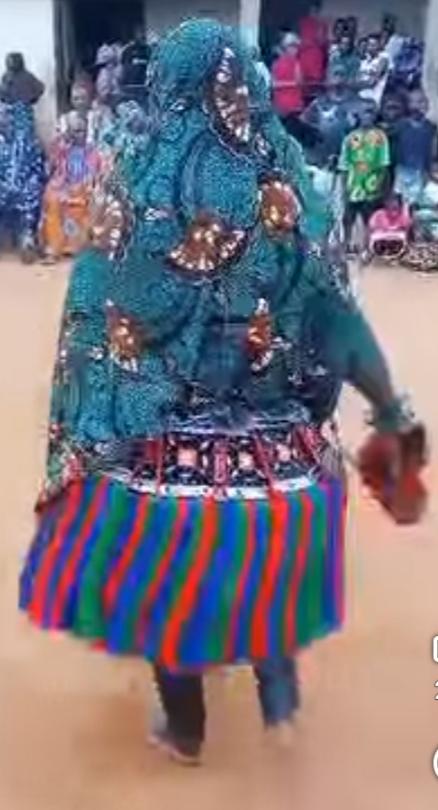
Other festivals include: Egungun, Oje, Ogun, Sango, Osanyin, Osanta etc. We also celebrate the two Abrahamic faiths: Christian and Islamic festivals like Christmas & New year celebration, Easter celebration and Sallahs.
- HISTORICAL SIGNIFICANCE AND CULTURAL HERITAGE OF ARAN-ORIN
Aran-Orin is one of the few Yoruba communities that can directly trace their origin to Ile Ife. History has it that we could trace our roots to Ile Jaran in today’s Ile Ife. Recent interactions with the palace of Ooni of Ife, the source, lend credence to this historical fact. Aran-Orin is a leading community within Igbomina land with a robust and rich cultural and historical backgrounds as contained in our history.
Aran-Orin is closely linked to a stream named “Orin” and Aran were one but today, one part of Aran is in Omu, another one is the one around OdunAlaro, now known as Arandun while the one that remains in the original land of occupation which is our own; is Aran of Orin, which is Aran-Orin today
Right from the pre Ajo Confederacy, there were three distinguished peoples and their powerful traditional heads. They were known as the ‘Mojes’:_OlupoMoje, EleseMoje and AlaranMoje. They were operating at a level. Both Olupo and EleseMojes have since been made first class obas while Alaran is still the only one in second class position.
Aran-Orin as currently constituted, is a strategic location; a nodal town that connects different communities including being a border town to Osun State. Aran-Orin is surrounded by communities like IpetuIgbomina, Rore, Ilale, IlaOrangun, OkeIla, OraIgbomina etc.
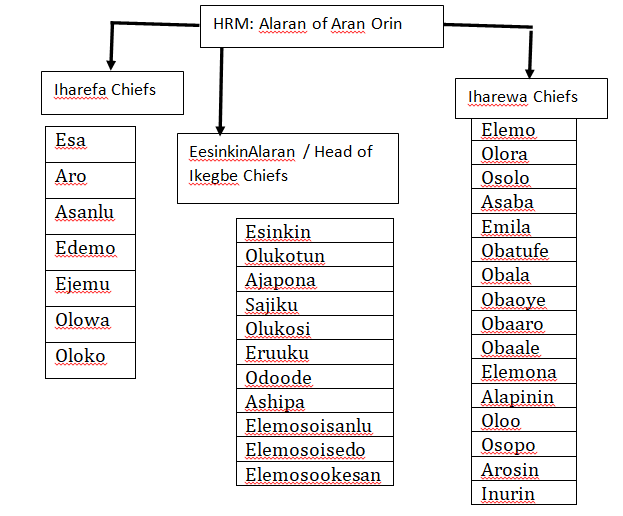
Aran-Orin is majorly administered by Alaran-In-Council which is the highest decision making organ in our traditional setting. Alaran-In-Council consists of the Arefa, Arewa, Kegbe and Ologun under the leadership of the Kabiesi, Alaran of Aran-Orin.
The AREFA (High Chiefs), the AREWA, the KEGBES and the OLOGUNS represent different compounds and tendencies.
- Organizational Structure and general functions of Aran Orin Traditional Chiefs
HRM is the head and chairman of the council. He is to call a meeting or gathering to order after which all the meeting attendees are equal to ensure free and fair deliberations and discussions to archive a very good result and resolution for the progress and development of Aran Orin. HRM has the final say on any meeting agenda that has been discussed by at most three (3) attendees.
- Administration and functions of Honorary Chiefs
However, there is Aran-Orin Progressive Union (APU); it is led by the elites, an administrative organ of the community saddled with organizing, galvanizing, mobilizing and charting a clear course for the community in almost all areas of community life. They are the think tank of the community. They work in collaboration with the Alarran-in-Council on major issues that affect the community. It is the flagship organization for the community which is at the forefront of charting courses of development for the community. This organization was established in 1958 by Late Dr SA Olawuyi and a few elites. It took effective shape as it was led by Late JPO Adeoye. Several other illustrious sons had led the union at different times. It is currently under the leadership of Arc. Julius S. Babalola.
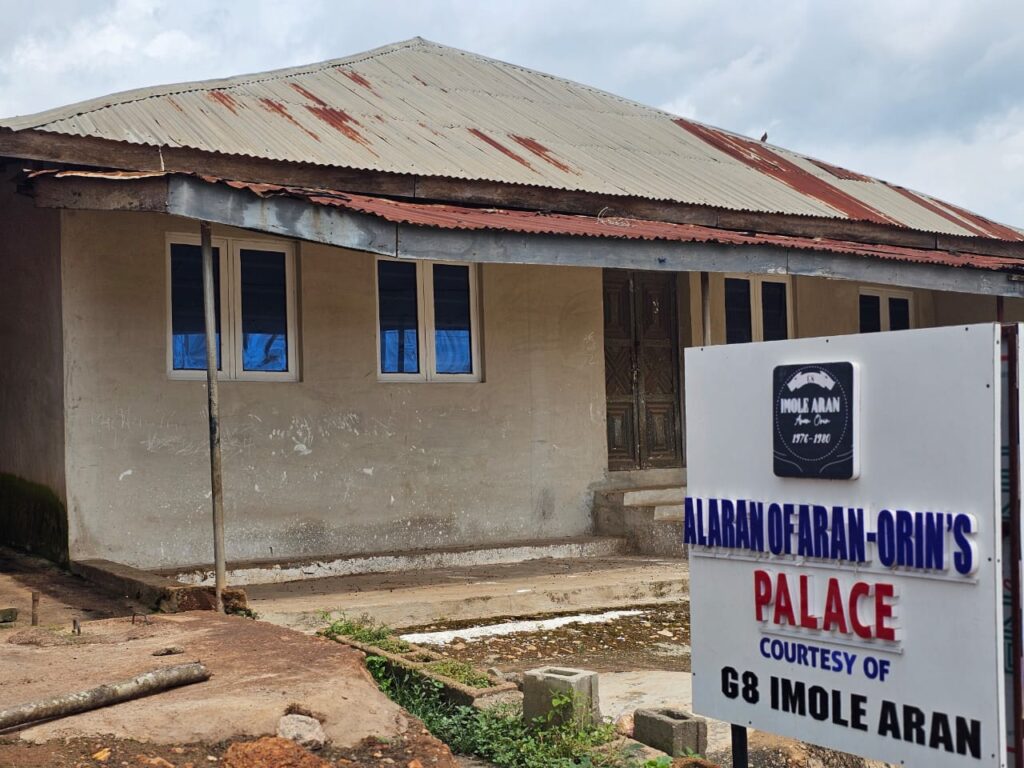
From the reign of Late Oba ObebeAbolarin, to Late Oba Joseph AboyejiFakayode, EwuOlaku II, and from Late Joseph OlatundeJolayemi, Ilufemiloye I to the current Oba, we have seen evolution of development and transformation that are visible for all to see. Some of these developments includes:
- Education
In 1923 Roman Catholic started a primary school and by 1949, Sudan Interior Mission (now ECWA) established its own primary school. By the 1950s, the muslim community established their own school. However, by 1969, through the efforts of Late Francis Ajibowo, the various tendencies came together to form a United Primary School, Aran-Orin. The school, having been taken over by the government, is now known today as United LGEA Primary School, Aran-Orin.
-
- By 19th September 1981, Aran-Orin through self-effort initiative established the first Secondary school; Aran-Orin Comprehensive High School, Aran-Orin before it was taken over by the government.
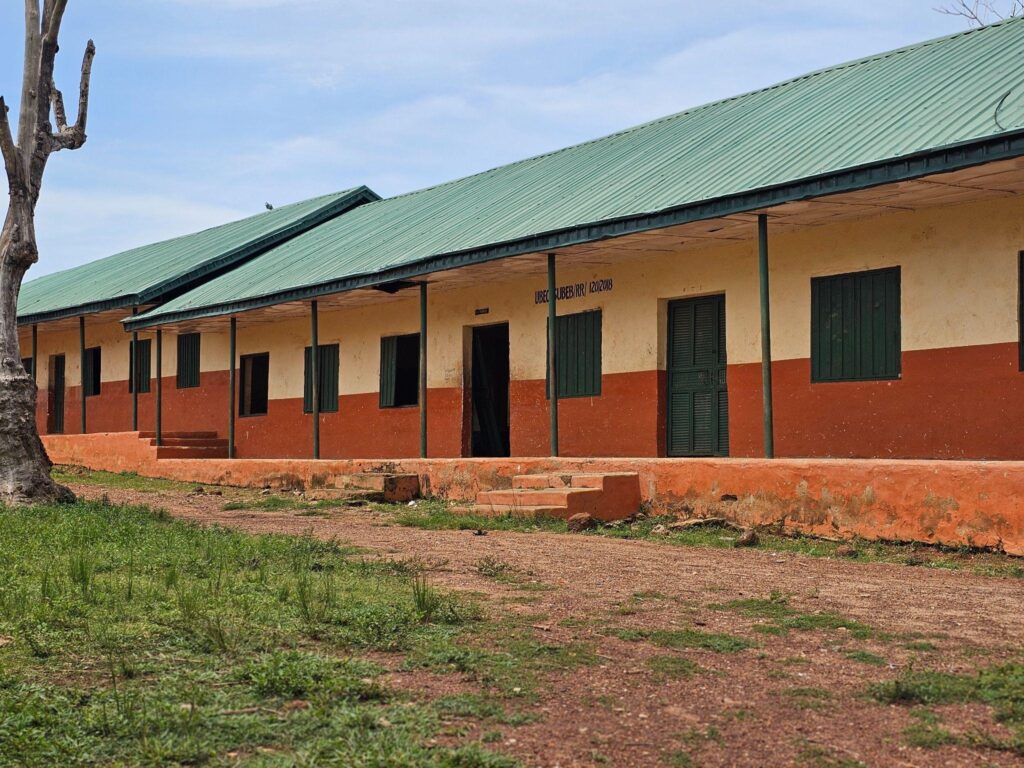
- Fatima Community College EkanMeje-Aran-Orin, a school jointly owned by EkanMeje and Aran-Orin; it was established in 1967.
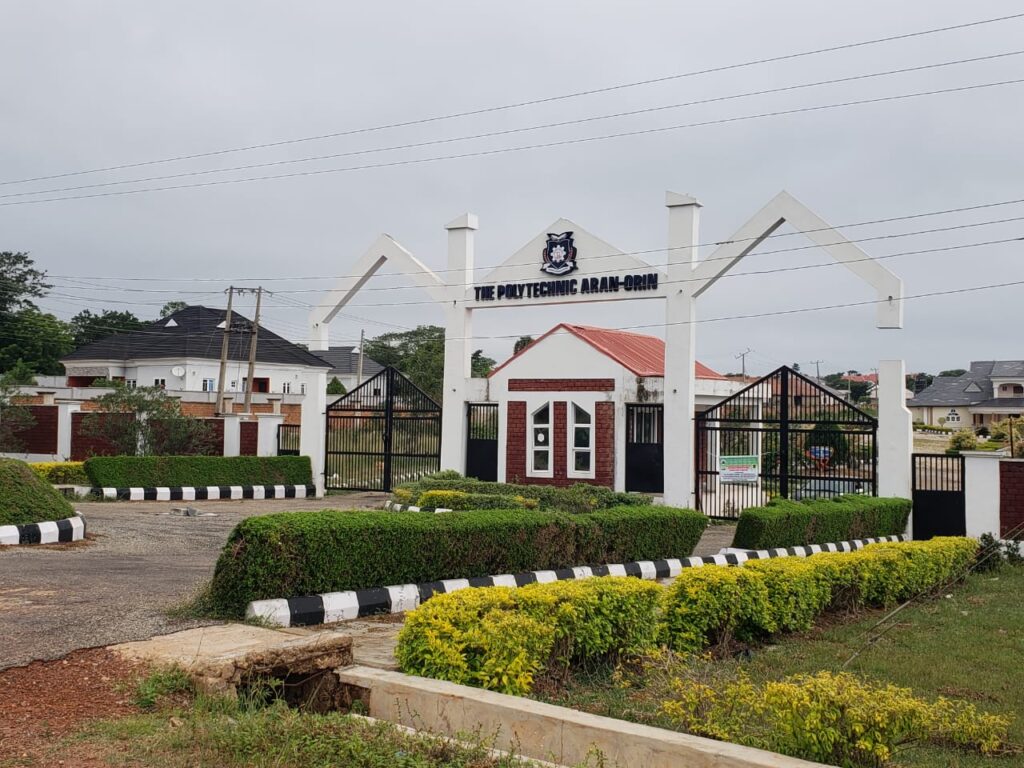
- The Polytechnic, Aran–Orin with JAMB’s CBT Centre
- Customary Court owned with Rore in the 1960s
- Electricity:Aran-Orin was reputed to be the first community within our larger environment to be lit up around 1976. At that time, several communities in Kwara State including some of those surrounding us did not know what electricity was like. It was also through self-effort initiative.
- Post Office and Town Hall: Post office and Town Hall were established in order to enhance communication and dissemination of information as well as mobilizing the people through meetings and events.
- Grading of the stool of Alaran of Aran-Orin Stool to Third Class and subsequently, Second Class status.
- Aran-Orin shares a strategic boundary with OraIgbomina in Ifedayo Local Government Area of Osun State, forming a critical inter-state corridor between the North Central and South West regions of Nigeria.
- Aran-Orin is a fast-developing semi-urban community with significant socio-economic and institutional assets, including:
- A Federal Government-owned Orin Dam: The Orin Dam, located along this corridor, remains a vital national asset with vast economic potential:
- Agricultural Irrigation: Capability to irrigate extensive hectares of farmland, enabling year-round agricultural production
- Fishing and Aquaculture: Supports a growing fishing industry and related economic activities
- Hydroelectric Power Generation: Strong potential to support rural electrification and industrial growth
- A Polytechnic, serving as a major academic, population, and commercial hub
- Aran Orin Comprehensive High School and other educational institutions
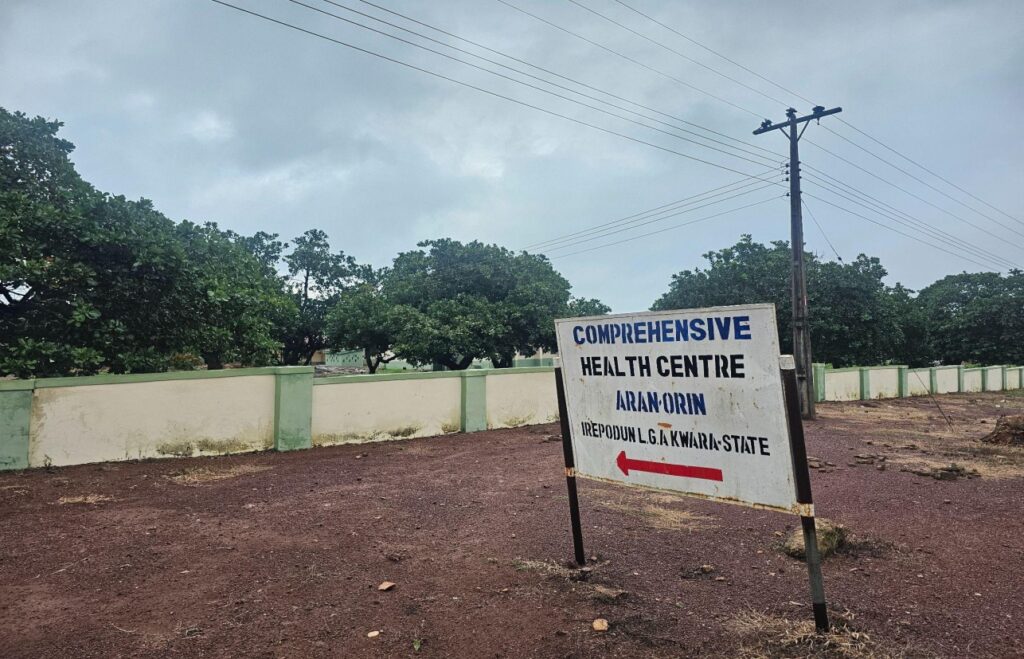
- A Comprehensive Health Centre
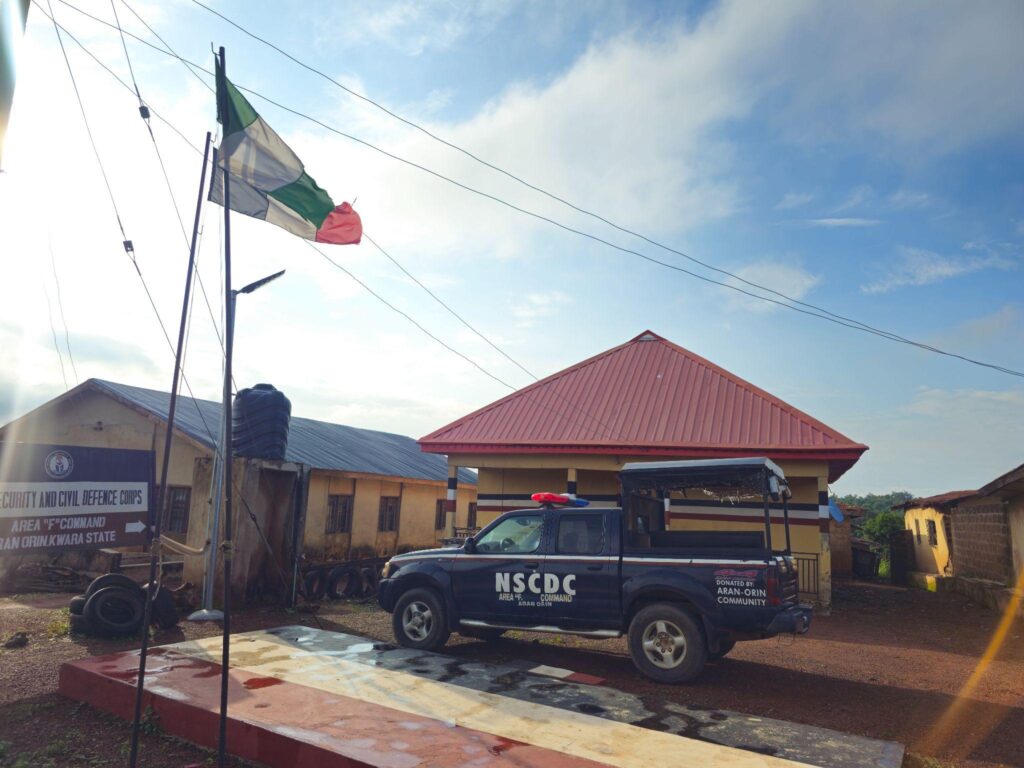
- Security infrastructure including NSCDC presence
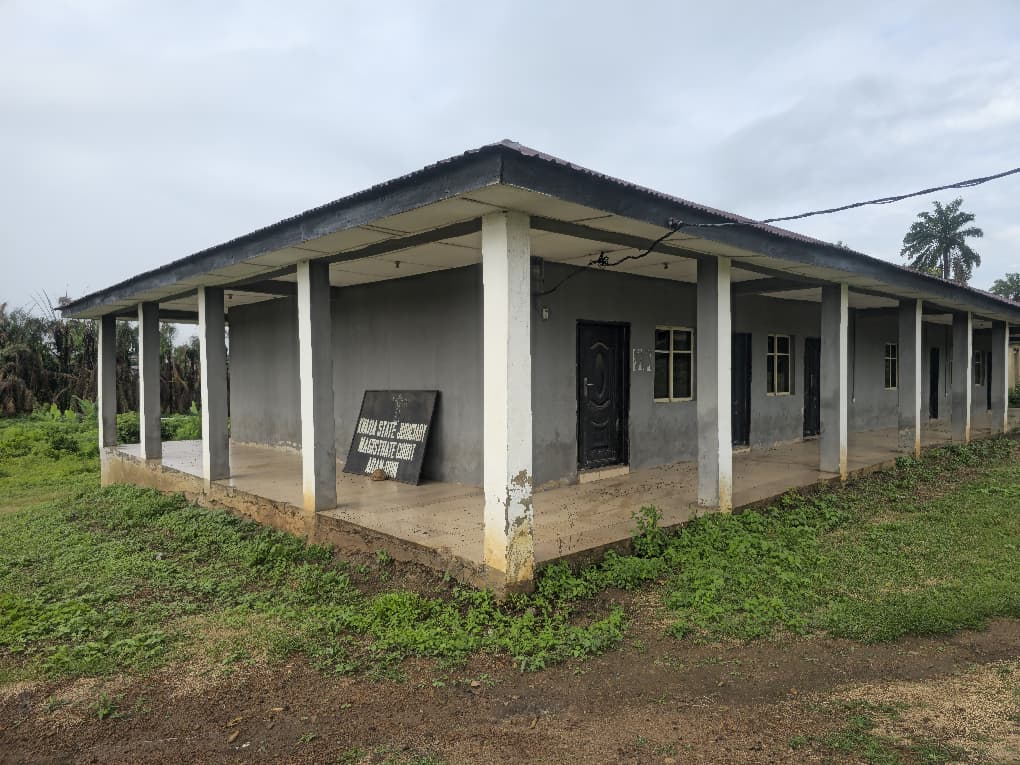
- A Magistrate court built by the Community which has been operational for years now.
- University of Ilorin Geological Research Resort Centre
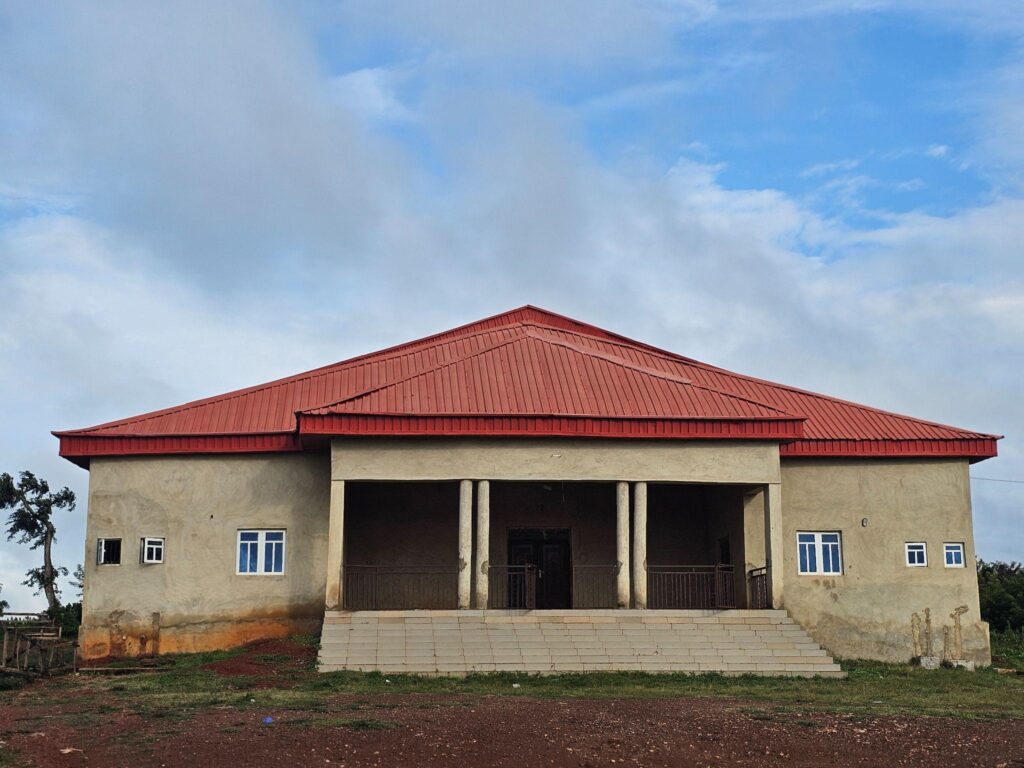
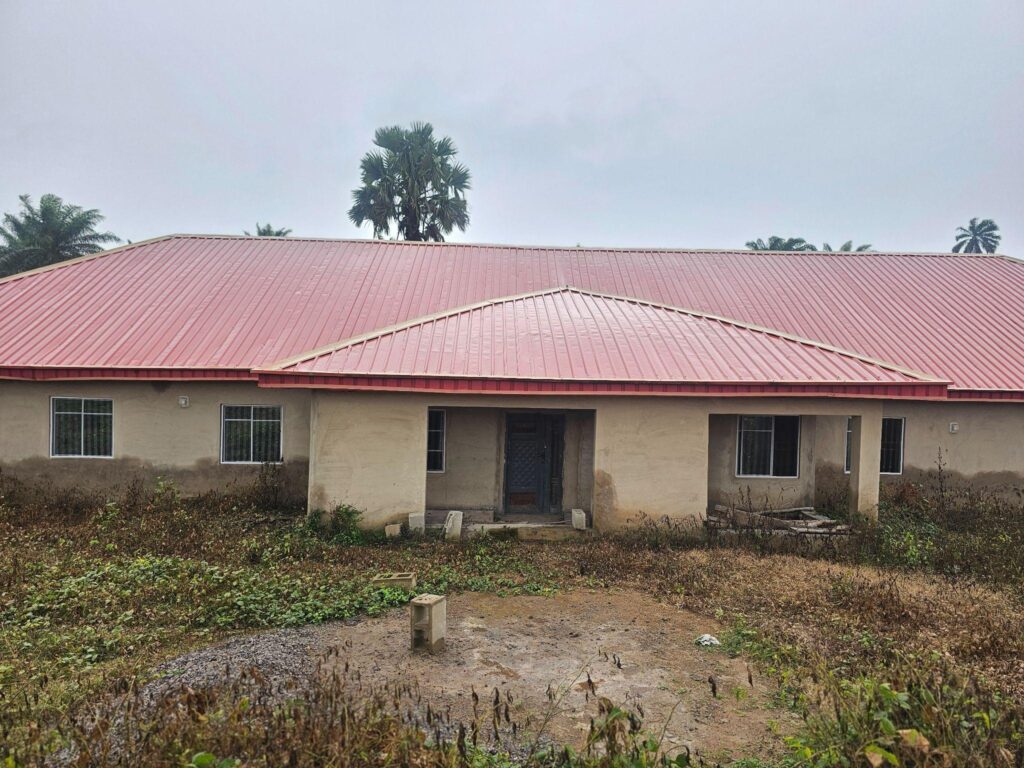
- A completed Police Station waiting to be operational by deploying personnel.
| S/No | Name | Political (Public) Position/Political Office Sought | Pre-Colonial Government | Remark |
| 1 | J P O Adeoye | 1st District Officers (D.O) | Northern Nigeria | |
| 2 | Mr J.O. Jetawo | Chairman Irepodun Local Government | Irepodun LGA | |
| 3 | Major Femi Jetawo (Rtd) | Chairman Irepodun Local Government | 1994-1999 | Irepodun LGA |
| 4 | Late John A. Abidoye (Chief Ejemu of Aran-Orin) | Executive Chairman
Irepodun LGA |
1991-1992 | Irepodun LGA |
| 5 | Late John A, Abidoye (Chief Ejemu of Aran-Orin) | PDP Deputy Party Chairman | 2002-2007 | Kwara State |
| 6 | Comr. Adeyeye E. Adekunle | First Aspirant for the Position of Kwara State House of Assembly under Alliance for Democracy | 2002/2003 | Kwara State House of Assembly |
| 7 | Prince SA Alebiosu | Special Adviser to the Governor on Inter-Government & Community Relations | 2003-2005 | Kwara State Executive Council |
| 8 | DrBunmiJetawo-Winter | Director General, Kwara State Hospital Management Board
Executive Secretary, Kwara State Health Insurance Agency (KW-HIA) |
2016-2019
2020 Till Date |
Kwara Hospital Board
Kwara State Health Insurance Agency |
| 9 | Alh. Bello Afolayan Esq. | Commissioner 2, Kwara State Teaching Service Commission
Current PDP Candidate for Kwara State House of Assembly for Irepodun |
2011-2015 | Kwara State Teaching Service Commission |
| 10 | Mr Femi Ajibade | Executive Director, Harmony Holdings | 2016-2017 | Harmony Holdings |
| 11 | Prof. Ezekiel Oseni | Executive Director, Risk Management, NCGC | 2025 Till Date | National Credit Guarantee Company |
Aran-Orin is proud of several thousands of professionals in different fields and vocations including but not limited to: Professors, Ph.D holders, Medical Practitioners (Pharmacists, Lab and Science Technicians) Accounting and Finance, Insurance and Actuarial Science, accomplished Lawyers, Engineers, Computer Scientists and Engineers, Human Resources professionals etc.
DEPOSITION OF MINERALS AND GEMSTONES
Our land has deposits of industrial minerals and gem stones. Research shows that the Aran-Orin- OraIgbominaRoadi axis lies within a mineral-rich geological belt with proven deposition of: Industrial Minerals like marble and dolomite, Kaoline, talc, feldspar and silica sand. Gemstones and Metallic ores: Tourmaline, Beryl, Tantalite and Casiterite.
PROFILE OF OBA JOSEPH OYEYIPO BABALOLA, EWU OLAKU III, THE ALARAN OF ARAN-ORIN
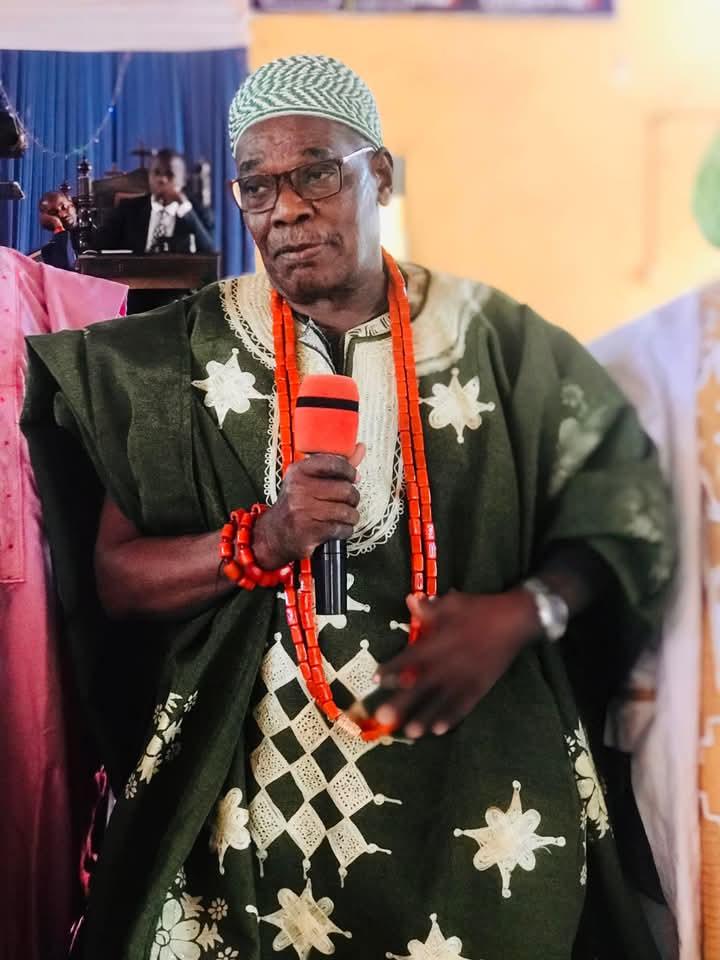
The child Oyeyipo was born on the 4th April, 1952 into the family of Babaloloa. The name of the mother was Yewande who was the daughter of Chief EesaAromasodun of OkeOje Compound in Aran-Orin.
The young Oyeyipo was, like many children in his time, not born with a silver spoon. He had his fair share of a rough background as the parents were peasant farmers and petty traders. He was generally known as an active boy with strong character. He was a famous figure among his contemporaries. He was a determined and focused young man.
However, luck shone on him as he was enrolled into SIM Primary School, Aran-Orin around 1957. He got his First School Leaving Certificate in 1967. Although he had earlier left Primary School in 1963 after which, he joined Late Amos Ajibade business as a Clerk/Secretary in Osogbo. He was in Osogbo till 1965. He returned home for a refresher year in the same Primary School and later graduated in 1967. He proceeded to Fatima Community College, EkanMeje/Aran-Orin, a secondary school jointly owned by the two communities. He completed his secondary school in 1971. By 1972, he was enlisted into Nigerian Custom Service, Basic School, Yaba in Lagos. He was there for two years. He was trained there for two years before his first posting to Sokoto in 1974. After this, he had served in different locations and formations during his lofty career. Among others, he served in Kano, Lagos Airport, Apapa seaport, Ijora and the famous Idiroko in Ogun State where he retired in 2007 as a Superintendent, after a meritorious 35 years of service to his nation, Nigeria.
All through his adult life, he was always part of any course that would move the community forward. As a member of the foremost club in the 70s and 80s, in Aran-Orin, Aran Club, Aran-Ori, he was known for his generous giving. Although he was a fearless individual, he was always pursuing a just course.
From his registration at SIM Primary School in 1957, he remained a member of ECWA church, Aran-Orin.
At this juncture, after his public service, ambition or fate? Whichever you choose to call it, by October 2010, he was installed as the next Alaran of Aran-Orin. In September 2011, the coronation was done amidst fun and pageantry.
It is a statement of fact that his reign has been relatively peaceful, with many developmental strides recorded during his time. He is currently a Second (2nd) Class Oba, hoping to be upgraded soon.
The Kabiesi was part of the delegation of the Traditional Council to demarcate the boundary between Oro and Ilala.
Our Kabiesi was married to multiple wives and still married as the marriages had produced wonderful children, many of whom are grown adults and several grand-children.
In conclusion, it is generally believed that his reign as Kabiesi, has witnessed a lot of transformation. We can only wish for more!
Therefore, all sons and daughters of Aran-Orin are saying long may you live, our Kabiesi.