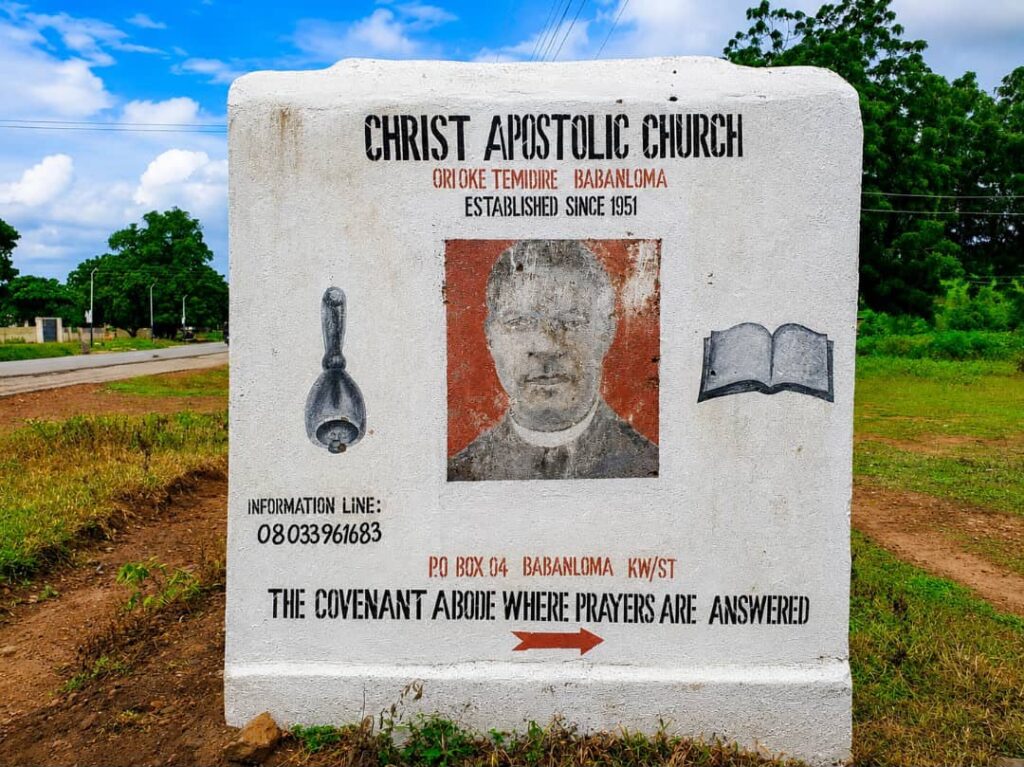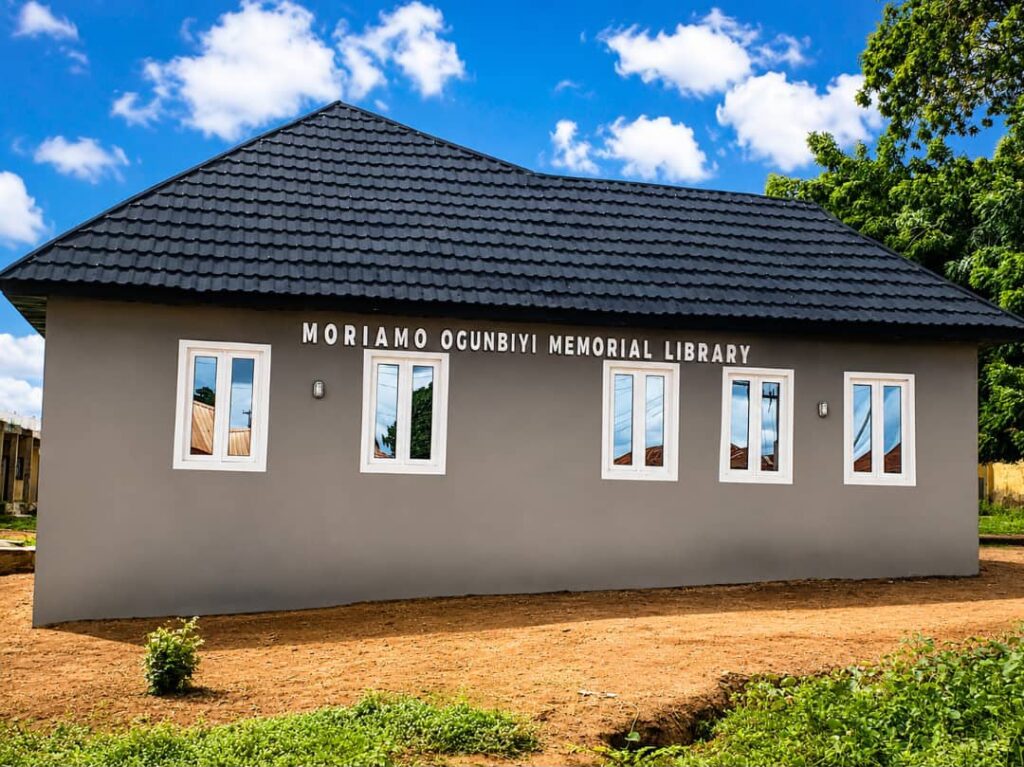
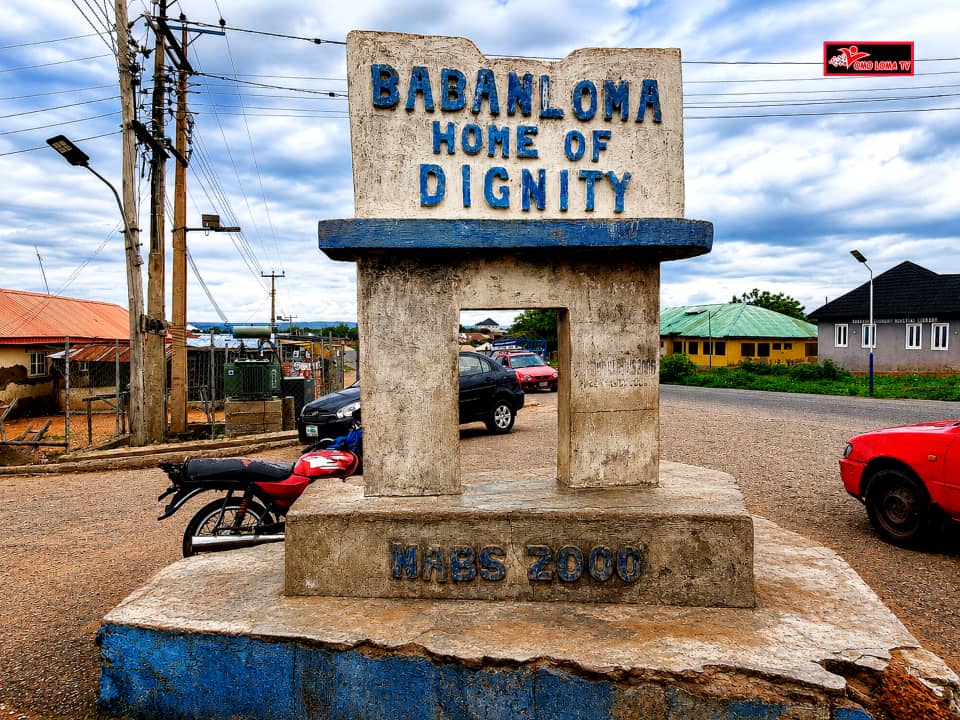
Babanloma
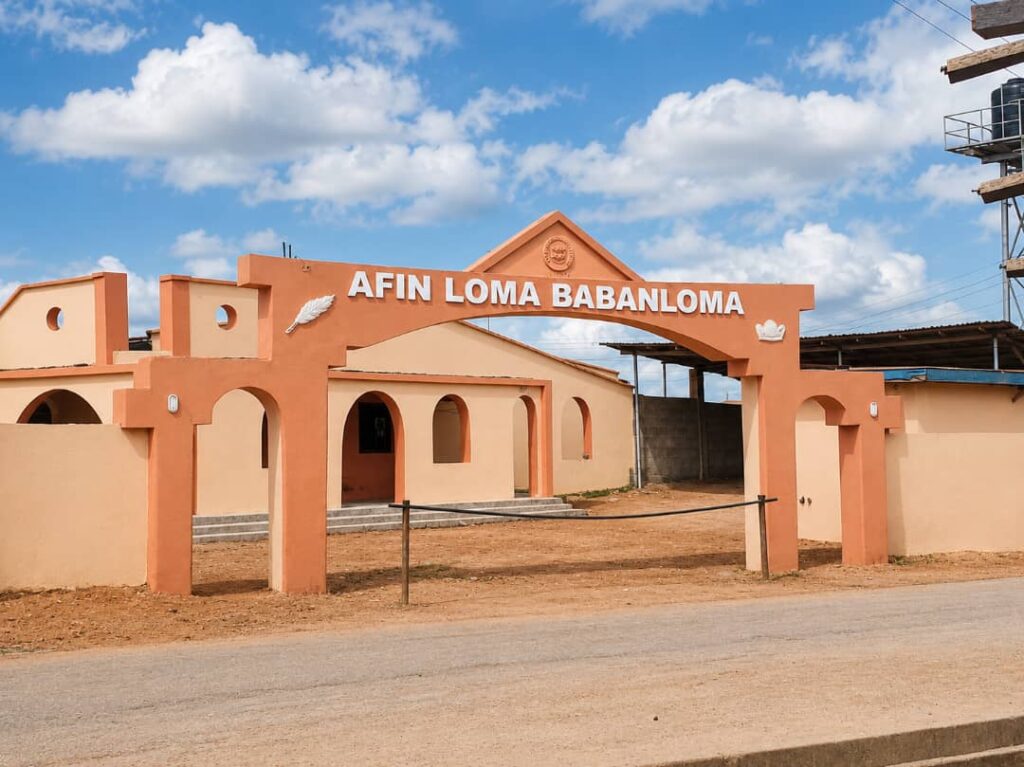
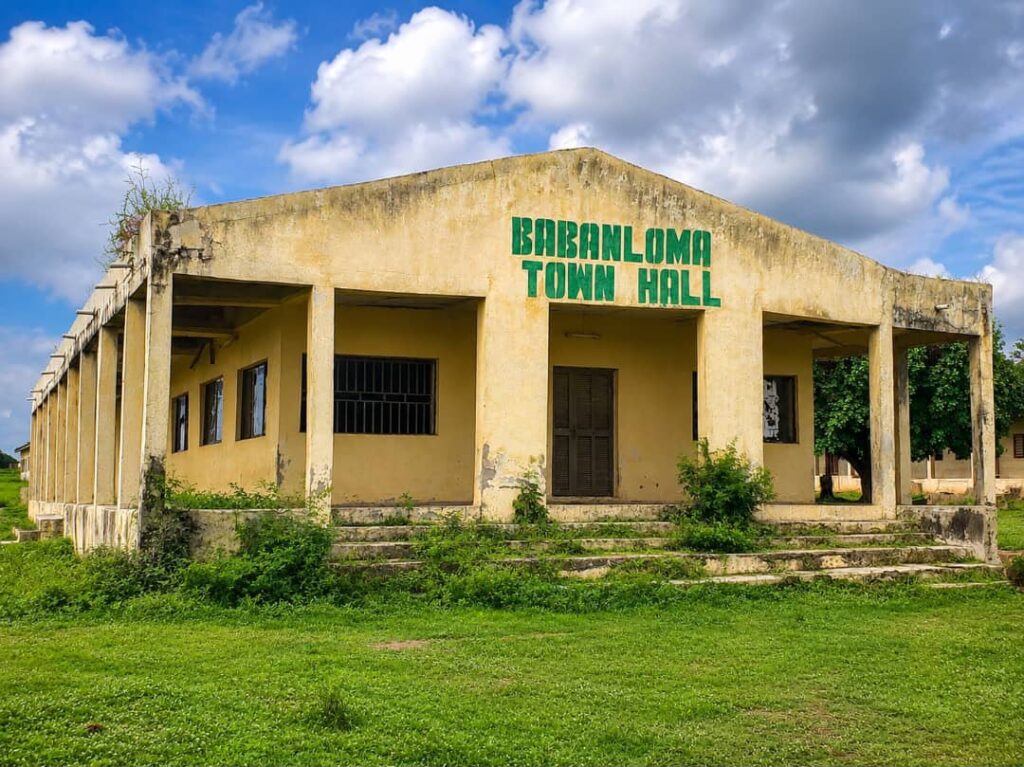
Babanloma Town is situated along Trunk. “A” Road linking the Northern and the Southern parts of Nigeria between Ilorin and Jebba it’s 72 kilometers from Ilorin, it is the second largest town in both population and size in IfeladunLoca Government Area of Kwara State. The town is not an annex to or subservient to any town The Loma (Oba) of Babanloma wears Royal Beaded Crown.
In writing the History of Babanloma, we cannot avoid mentioning Share town. because Share was the last settlement of the people of Babanloma before their final migration to Babanloma due to Political and Chieftaincy upheavals
The people of Babanloma Town are predominantly Yoruba people who first migrated from old Oyo Town to the present Oyo Town and then to Aun Town in the year 1791. When the Ibadan war broke out in 1800, it sacked Aun Town and the people, under the leadership of AWADO, he fled from Aun Town together with some Igbomina people (that had earlier settled at Aun) to settle in a place they named Sakama. In 1820 the people also under the leadership of Awado left Sakama for fear of attack and built themselves a new Town seven miles away which they named Share. Awado had been a Traditional Chief from the old Oyo Town. Very shortly after the people had settled at Share probably only a few weeks later, the Nupe people began to arrive and they settled by the side of Share Town and named it Sharagi. (Sharagi means Lesser Share in Nupe Language) Later, some Igbomina people from Igbaja Town also arrived and settled at Share Town.
Babanloma Town accounts for five- eighths (5/8) of the total land area of Share District, which is estimated to be 460 square miles (Hodge 1929:213). The numbers of villages in Share District were twentytwo and fifteen of these twenty – two villages were under Loma domain as recorded in Ilorin Province Gazatter. 1929. Since then more villages have emerged bringing the total number of villages under Babanioma to over forty including Fulani Cattle Rearer Settlements.
- Causes Of Migration To Babanloma
Towards the end of Olupako Oyedeyi’s reign, it was rumored that the people of Adeyi Quarters who were mostly Igbomina people and who occupied the upper side of Sose stream, were levied higher taxes than the Yoruba people who were living at the other end of Sose stream. It was a calculated design to remove Olupako Oyadeyi from the Throne. The plot, which was said to have been master-minded by Balogun Ali, resulted into town riot between the two groups of the people. The then Resident of llorin Province, Mr. O’ Dwyer exiled Olupako Oyadeyi to Ilorin.
During the struggle for succession to the Throne, the Yoruba population and the majority, of Igbomina people wanted the exiled Olupako Oyadeyi back on the throne or at worst, Abubakar, the eldest son of the exiled Oba to succeed his father as tradition demanded. However the few Igbomina people and some of their influential chiefs conspired to install Adeleye, the son of Dosumu, as Olupako at all cost. It was during this Chieftaincy tussle that Oyadeji died of poison in Ilorin but it later became known that it was Aniku-nika, an intimate friend of Oyadeji that Adeleye used to poison Oyadeyi. The death of Oyadeyi was one of the factors that made the conspiracy to install Adeleye to succeed, and by misadventure Adeleye, who was Olupako Oyadeyi’s cousin, was appointed Olupako in the midst of protests in 1905. It was the tradition that the eldest sons of the immediate past Olupako succeed his father. This was followed to the letter up to the end of Olupako Oyadeyi’s reign when the tradition was violated.
The problem became compounded because the Igbomina group, instead of showing some sympathy for the late Olupako Oyadeyi, embarked on acts of calumny on the late Olupako Oyadeyi and his son Abubakar. To further worsen the already aggravated situation, attempts were made to terminate the life of Abubakar which was said to have been hatched by Balogun Ali. A Sango priest, Akanni Ade alias AbanbaLogun, some Ifa priests and Igbomina Herbalists were assigned to assassinate Abubakar and some Yoruba Leaders, but all their attempts were futile. This was the last straw that broke the camel’s back.
This latest development infuriated Abubakar and the Yoruba population and they decided to leave Share en masse to an entirely new place for the safety of their lives and property as the situation had become unbearable.
The whole of Olupako Dada Oyadeyi Lineage left Share with about half of the population comprising the Yoruba and some sympathetic Igbomina people and all migrated to found Babanloma Town in 1905 with all the insignia and paraphernalia of the office of Olupako. Other aggrieved members left Share for Apado and Ajikanje. Put succinctly, the Political/Chieftaincy upheavals and the futile attempts made on Abubakar and his people’s lives were the principal factors responsible for the final migration from Share to Babaloma in 1905
S/NO NAMES OF OBA YEARS
- HRH Oba Abubakar Oyadeyi 1905-1913
- HRH Oba Zubair Abubakar 1913-1921
- HRH Oba Buhari Abubakar 1927-1928
- HRH Oba Mohammed Oyadeyi 1927-1936
- HRH Oba BuraimohAhmadu 1936-1950
- HRH Oba Bello Oyadeyi 1950-1953
- HRH Oba SalinuZubair 1953-1964
- HRH Oba Alh. Abdullahi Zubair 1964-1966
- HRH Oba Abdulsallam Adegbite 1966-1984
- HRH Oba Abdullahi Zubair 1985-1992
- HRH Oba Alh. M.J. Usman Allara 12-7-1993 to Date
- Citation Of His Royal Majesty Oba Mohammed Jimoh Usman Ailara, Llufemilove Olorunsola Aniwajoye Ii, Loma Of Babanloma, Ifelodun L.G.A. Kwara State
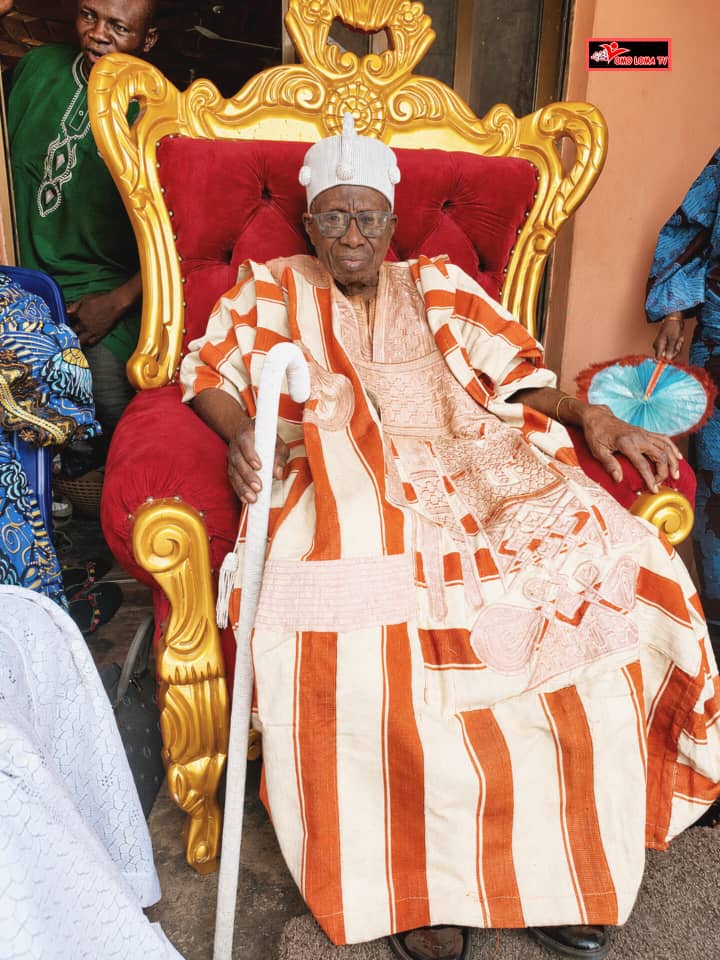
His Royal Majesty Oba Mohammed Jimoh Usman Ailara was born on 25th November 1938. He attended Share Elementary School, Ilorin Middle School (now Government Secondary School liorin), and Okene Secondary School (now AbdufAzeezAttah, Memorial College Okene) between 1944 and 1954.
Oba Usman Ailara started his working career at the Government Printing Press Kaduna as a Probational Printer on the grade of Junior technical staff Grade Ill on 1st May 1955. At the initial creation of states in Nigeria in 1967, Oba Usman Allara was seconded to the then North-Central State, which now comprises Kaduna and Katsina State. In February 1973, he transferred his services to the Government Printing Press, Ilorin Kwara State, when the Press was newly established, as Assistant Superintendent of Press in charge of Binding and Security Departments.
In May 1979, Oba Usman Ailara was seconded to the defunct Kwara State House of Assembly as Officer in charge of the Press for the production of House of Assembly Hansads and other Assembly Documents. He was on this assignment until 31st December 1983 when the military took over the government from the civilians. He was then de-seconded to the Government Printing Press Ilorin. Also, between March 1979 and January 1984, he was chairman of the Kwara State Printing and Publishing Workers Union of Nigeria. Oba Usman Ailara retired from theKwara State Civil Service as ChiefSuperintendent of Press Administration (Assistant Director) on 1″ May 1990 after thirty-five (35)years of meritorious service.
After retirement from the Kwara State Civil Service, Oba Usman Ailara served Briefly as a member of the Ifelodun local Government Interim Service Committee, which was charged with the responsibility of recruitment, promotion and discipline of the Ifelodun local Government Staff, until 31 December 1992 when the Kwara State Local Government Service Commission was re-inaugurated and the Interim Services Committee dissolved.
OBA USMAN AILARA was enthroned as the 11″ Loma of Babanloma on the 12″ July 1993.
He is titled llufemiloye | Olorunsola, Aniwajoye II. He is married with children and is a Muslim by religion. Oba Usman Ailara is a member of both Ifelodun Local Government Security Committee and Ifelodun Traditional Council of Chiefs.
His Royal Majesty Oba Usman Ailara is from Olupako Dada Ruling House of both Share and Babanioma, and he is the grandson of His Royal Highness Late Oba Mohammed Ayinla Aniwajoye I who reigned as the fourth Loma of Babanloma between 1928 and 1936 and who also reigned as the seventh Olupako of Share between 1938 and 1955.
May Oba Usman Ailara’s reign be long, peaceful, and prosperous. Amen.